
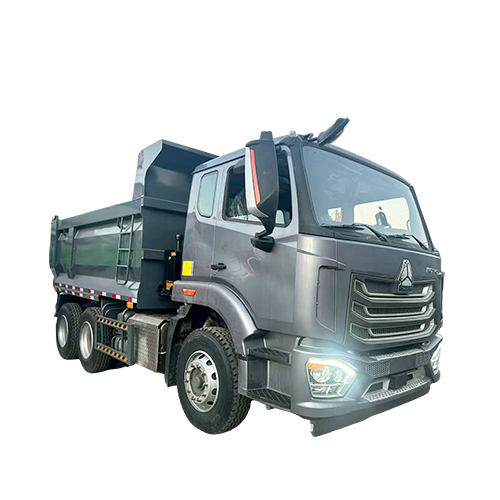
For many construction, transportation, and industrial projects, lifting equipment needs to be powerful, flexible, and easy to deploy. A truck mounted crane provides an efficient solution by combining a cargo truck with a hydraulic lifting system, allowing operators to transport materials and complete lifting operations with the same vehicle.
Unlike traditional fixed cranes, a truck-mounted crane offers better mobility and operational flexibility. It can quickly move between job sites, reduce equipment transportation costs, and improve work efficiency in industries such as construction, logistics, infrastructure maintenance, mining, and energy.
However, choosing the right model requires careful consideration. Different projects require different lifting capacities, chassis configurations, boom types, and operating environments. This guide explains the key factors buyers should evaluate before purchasing a truck-mounted crane.
Table of Contents
What Is a Truck Mounted Crane?
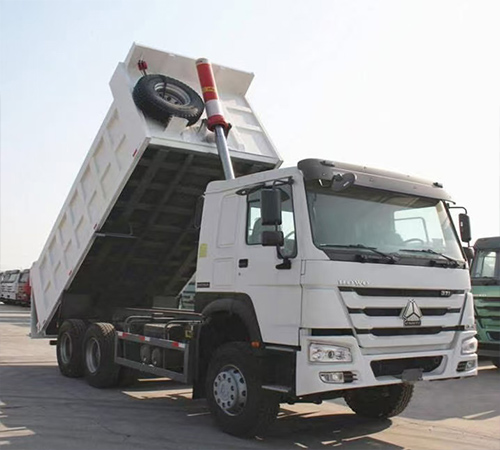
A truck mounted crane is a type of mobile lifting equipment that integrates a hydraulic crane system onto a truck chassis. The vehicle can perform both transportation and lifting tasks, making it a practical choice for companies that need multifunctional equipment.
The main components usually include:
| Component | Function |
|---|---|
| Truck chassis | Provides mobility and carrying capacity |
| Hydraulic crane system | Provides lifting and loading capability |
| Boom structure | Controls lifting height and working radius |
| Hydraulic system | Supplies power for crane operations |
| Stabilizer legs | Improve stability during lifting operations |
| Cargo platform | Allows transportation of goods and materials |
Compared with using separate trucks and cranes, a truck mounted crane reduces the need for multiple machines and helps improve overall project efficiency.
Why Choose a Truck Mounted Crane for Your Business?
A growing number of industries choose crane trucks because they offer several operational advantages.
1. Transportation and Lifting in One Vehicle
One of the biggest benefits of a truck-mounted crane is its combined functionality. The vehicle can transport construction materials, machinery parts, steel structures, and other heavy loads while also completing lifting operations at the destination.
This reduces dependence on additional lifting equipment and helps companies save time during project execution.
2. Better Mobility for Multiple Job Sites
Construction and infrastructure projects often require equipment to move between different locations. A mobile crane truck can travel directly to different sites without requiring additional transportation equipment.
This makes it especially suitable for:
- Road construction projects
- Municipal engineering
- Utility maintenance
- Equipment installation
- Emergency repair operations
3. Lower Operating Costs
Purchasing separate transportation vehicles and cranes can increase investment costs and maintenance requirements.
A truck mounted crane combines two functions into one machine, helping businesses reduce:
- Equipment purchase costs
- Operator requirements
- Transportation expenses
- Daily operating costs
Key Factors When Selecting a Truck-Mounted Crane
Choosing the correct truck mounted crane depends on your project requirements. The following factors should be evaluated before making a purchase decision.
1. Determine the Required Lifting Capacity
The first consideration is lifting capacity.
Different projects require different crane capacities. For example:
- Small lifting tasks may require compact crane trucks
- Construction projects may need medium or heavy-duty lifting capacity
- Industrial projects may require higher-capacity hydraulic truck cranes
Before purchasing, buyers should evaluate:
- Maximum load weight
- Average lifting requirements
- Future project demands
- Working radius requirements
Selecting a crane with insufficient capacity may affect safety and efficiency, while choosing an oversized model may increase unnecessary costs.
2. Consider the Truck Chassis Configuration
The chassis directly affects vehicle performance, stability, and transportation capability.
Common configurations include:
| Chassis Type | Suitable Applications |
|---|---|
| 4×2 truck chassis | Light transportation and urban projects |
| 6×4 truck chassis | Construction and heavy-duty operations |
| 8×4 truck chassis | Large loads and demanding working conditions |
A suitable chassis ensures better driving stability, load distribution, and long-term durability.
3. Evaluate Boom Type and Working Range
The crane boom determines lifting height, reach distance, and operational flexibility.
Common boom options include:
Telescopic Boom
A telescopic boom provides extended working range and is suitable for projects requiring greater lifting height.
Typical applications include:
- Building construction
- Infrastructure projects
- Equipment installation
Folding Boom
A folding boom offers excellent flexibility in limited spaces and is commonly used for:
- Logistics operations
- Material handling
- Urban maintenance
Choosing the correct boom structure helps improve productivity and adapt to different working environments.
4. Check Hydraulic System Performance
The hydraulic system is one of the most important parts of a truck mounted crane.
A reliable hydraulic system provides:
- Smooth lifting operation
- Accurate control
- Better energy efficiency
- Improved equipment lifespan
Buyers should consider hydraulic component quality, maintenance requirements, and operating conditions before selecting equipment.
5. Analyze Your Working Environment
Different industries have different equipment requirements.
Construction Industry
Construction companies often use truck mounted cranes for:
- Steel structure installation
- Building material lifting
- Prefabricated component handling
- Machinery transportation
Logistics Industry
Logistics companies use crane trucks for:
- Loading and unloading heavy goods
- Container handling
- Equipment delivery
Energy and Infrastructure Projects
Utility companies often require mobile lifting equipment for:
- Power equipment installation
- Pipeline maintenance
- Street lighting projects
Understanding the working environment helps buyers select the most suitable configuration.
Truck Mounted Crane vs Traditional Crane: Which Is Better?
Both equipment types have advantages, but they serve different purposes.
| Feature | Truck Mounted Crane | Traditional Crane |
|---|---|---|
| Mobility | Excellent | Limited |
| Transportation ability | Available | Requires additional vehicles |
| Setup time | Fast | Usually longer |
| Suitable industries | Construction, logistics, maintenance | Large-scale fixed lifting projects |
| Flexibility | High | Medium |
For businesses that require frequent movement between locations, a truck mounted crane is often a more practical investment.
Why Work with a Professional Truck Mounted Crane Manufacturer?
Selecting the right manufacturer is just as important as selecting the right equipment.
A professional truck mounted crane manufacturer can provide:
- Customized vehicle configurations
- Suitable chassis recommendations
- Technical support
- Quality inspection
- Export assistance
- After-sales service
Shandong Haiyu Industry and Trade Co., Ltd. focuses on supplying customized heavy trucks, construction machinery, and lifting solutions for global customers. With experience in international equipment export, Haiyu helps customers select suitable truck mounted crane solutions based on different project requirements.
Maintenance Tips to Extend Truck Mounted Crane Service Life
Proper maintenance improves safety and reduces downtime.
Recommended maintenance practices include:
- Regularly checking hydraulic oil levels
- Inspecting crane components before operation
- Maintaining lubrication points
- Checking stabilizer performance
- Following manufacturer maintenance schedules
Routine inspections help identify potential problems early and ensure reliable operation in demanding environments.
Conclusion
A truck mounted crane is a versatile lifting solution that combines transportation and lifting functions in one vehicle. For construction companies, logistics operators, and industrial users, choosing the right model requires careful evaluation of lifting capacity, chassis configuration, boom type, hydraulic performance, and application requirements.
By selecting a reliable manufacturer and the correct equipment configuration, businesses can improve productivity, reduce operating costs, and handle more projects efficiently.
If you are looking for a customized truck-mounted crane solution for your project, contact Shandong Haiyu Industry and Trade Co., Ltd. for professional recommendations and competitive solutions.
FAQ
What is the main advantage of a truck-mounted crane?
The main advantage is that it combines transportation and lifting functions, allowing operators to move materials and complete lifting tasks with one vehicle.
How much weight can a truck-mounted crane lift?
The lifting capacity depends on the crane model, chassis configuration, and project requirements. Different models are available for light-duty to heavy-duty operations.
What industries use truck-mounted cranes?
Truck-mounted cranes are widely used in construction, logistics, infrastructure, mining, energy, and municipal projects.
How do I choose the right truck-mounted crane manufacturer?
Choose a manufacturer with customization capability, export experience, technical support, and proven equipment quality.