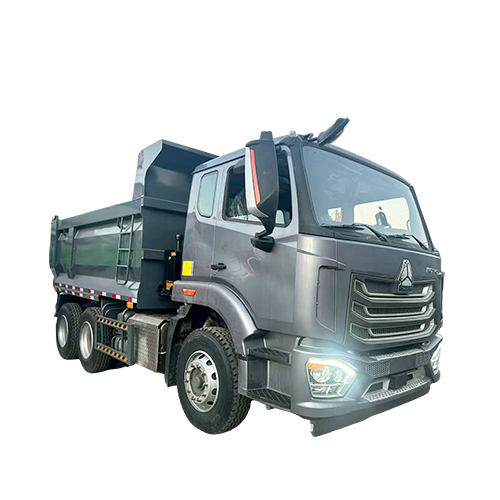
A 4×2 tractor truck is a common choice for highway logistics, port distribution, container movement, and regional freight where roads are generally stable and payload requirements fit the legal limits of a two-axle tractor. For fleet buyers, the 4×2 tractor truck attraction is straightforward: lower tare weight, simpler driveline layout, and efficient fuel use when the route does not require the traction of a 6×4 unit.
Choosing a 4×2 tractor truck should still be a disciplined procurement decision. The same model can perform very differently depending on trailer type, gross combination weight, driver habits, road gradient, climate, and service support. Haiyu offers tractor truck options including HOWO 4×2 tractor truck and Sitrak configurations for buyers who need practical export-ready fleet solutions.
Where a 4×2 Configuration Makes Sense
A 4×2 tractor truck is most suitable for paved-road operation where the vehicle spends most of its time at steady highway speeds. Common applications include standard semi-trailer hauling, container transport between ports and warehouses, general cargo distribution, and fleet operations where payload is moderate rather than extremely heavy.
The 4×2 tractor truck configuration is less suitable for severe off-road operation, steep unpaved routes, or heavy haulage where extra driven axles are required. In those cases, a 6×4 tractor may be more appropriate. The key is to match the truck to the route, not to choose a configuration only because it is popular in another market.

How Route Conditions Shape the Specification
Route analysis should come before engine selection. Buyers should review road grade, average speed, traffic congestion, border waiting time, fuel availability, repair access, and seasonal weather. A 4×2 tractor truck used for flat port-to-warehouse trips may prioritize fuel economy and turning radius. A vehicle running longer regional routes may need a more comfortable cab, larger fuel capacity, and stronger cooling performance.
For export buyers, destination-country regulations also matter. Axle load limits, emissions requirements, lighting rules, and trailer coupling standards should be checked before finalizing the 4×2 tractor truck order. If the fleet runs across borders, the specification should satisfy the strictest route segment rather than only the home base requirement.
Engine and Driveline Matching
The engine in a 4×2 tractor truck should match the total combination weight and operating speed. More power is not automatically better if it increases 4×2 tractor truck fuel consumption without improving trip productivity. Buyers should consider torque curve, transmission ratios, rear axle ratio, cooling capacity, and service familiarity in the target market.
A well-matched driveline allows the vehicle to cruise efficiently without constant gear changes. It also reduces stress on the clutch, transmission, and axle. When discussing specification with a manufacturer, provide trailer type, expected cargo weight, road gradients, and average trip distance so the driveline can be selected with real operating data.
| Decision Area | Practical Question | Why It Matters |
|---|---|---|
| Engine output | What gross combination weight will the truck pull most often? | Avoids underpowered or unnecessarily high-consumption choices |
| Transmission | Will routes include hills, city traffic, or long highways? | Improves drivability and fuel efficiency |
| Rear axle ratio | What cruising speed is expected? | Helps keep the engine in an efficient working range |
| Fuel system | Is diesel, LNG, or another fuel available locally? | Prevents supply and service problems after delivery |
| Cooling package | Will the truck operate in hot climates or heavy traffic? | Protects engine reliability under demanding conditions |
Cab Comfort and Driver Efficiency
Driver comfort has a direct effect on fleet productivity. A 4×2 tractor truck used for long-haul routes should provide good visibility, ergonomic controls, effective air conditioning, seat support, and sleeping space when required. For regional delivery, easy entry, maneuverability, and clear mirrors may matter more than a large sleeper cab.
Fleet buyers should evaluate cab features according to the actual driver schedule. A comfortable driver is more likely to maintain steady speed, protect the driveline, and report service issues early. These details may seem secondary during purchase, but they influence operating cost across the truck life cycle.
Trailer Compatibility and Fifth-Wheel Setup
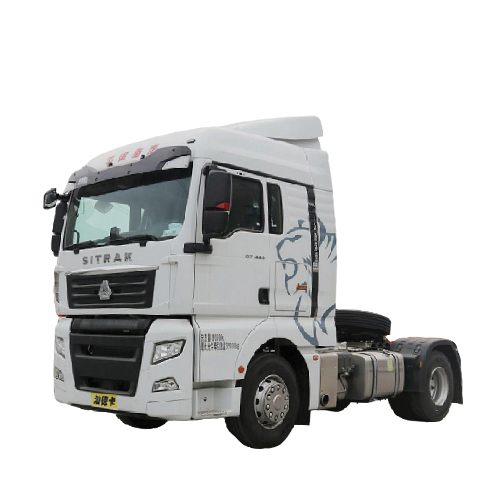
A 4×2 tractor truck must be matched with the trailer it will pull. Fifth-wheel height, kingpin size, electrical connection, air brake line position, and turning clearance should all be confirmed. If the tractor will pull different semi-trailers, the specification should account for the most demanding combination.
Haiyu supplies multiple trailer types, including cargo box semi-trailers, flatbeds, side wall trailers, and tank-related transport equipment. Buyers planning a tractor-trailer package should review both units together rather than treating them as separate purchases.
Fuel Economy and Operating Cost Factors
Fuel economy is a major reason buyers consider a 4×2 tractor truck. Lower vehicle weight and fewer driven components can support efficient operation when route conditions are suitable. However, fuel performance also depends on tire selection, aerodynamic resistance, driver behavior, maintenance quality, and trailer loading.
The U.S. EPA SmartWay program is a useful reference for understanding how freight efficiency involves equipment, operating practices, and logistics decisions together. Even where SmartWay does not directly apply, the same idea is useful: fuel saving comes from a system, not one component.
Comparing 4×2 and 6×4 Tractor Trucks
A 4×2 tractor truck and a 6×4 tractor truck serve different priorities. The 4×2 layout is often more efficient for highway freight with moderate loads. The 6×4 layout provides more traction and load capacity for heavy-duty or poor-road applications. Buyers should avoid choosing based only on purchase cost because the wrong configuration can reduce uptime or increase fuel use.
| Configuration | Best Use Case | Typical Advantage |
|---|---|---|
| 4×2 tractor truck | Highway logistics, containers, general freight | Lower tare weight and efficient paved-road operation |
| 6×4 tractor truck | Heavy loads, rougher roads, steeper routes | More traction and stronger pulling capability |
| LNG tractor truck | Routes with stable LNG fuel supply | Potential fuel strategy benefits depending on local market |
Procurement Checklist for Fleet Buyers
Before ordering, fleet buyers should prepare a route profile, trailer list, expected cargo weight, local emissions requirements, preferred fuel type, service plan, and spare parts expectations. Ask the supplier to recommend a complete specification rather than only a model name. This reduces the risk of buying a truck that is technically available but poorly matched to the job.
Haiyu can help compare HOWO, Sitrak, and Sinotruk tractor truck options for export markets. Review the tractor and trailer product range, then send your route, trailer, and payload details through the contact page. The clearer the operating information, the more practical the 4×2 tractor truck recommendation will be.
FAQ
What is a 4×2 tractor truck best used for?
It is best used for paved-road freight, container transport, and regional or long-haul logistics where traction needs are moderate.
Is a 4×2 tractor truck more fuel efficient than a 6×4?
It can be more efficient on suitable routes because it has lower tare weight and fewer driven components, but real fuel use depends on load, route, driver behavior, and maintenance.
Can a 4×2 tractor truck pull a flatbed semi-trailer?
Yes, if the total weight, fifth-wheel height, braking system, and coupling requirements are properly matched.
When should buyers choose a 6×4 instead?
A 6×4 is usually better for heavy loads, rough roads, steep gradients, or routes that need stronger traction.
Can Haiyu help match tractor and trailer specifications?
Yes. Haiyu can discuss tractor and semi-trailer matching based on cargo weight, route, fuel availability, and destination regulations. Contact the team with your fleet details for a practical configuration discussion.