Introduction
In construction and quarry projects, aggregate hauling often looks like a simple transport task, but in reality, it controls the rhythm of the whole site. Crushers, loaders, excavators, batching plants, paving teams, and road base crews all depend on one thing: materials arriving consistently.
For contractors, aggregate hauling is not only about moving crushed stone, gravel, sand, or road base materials. It is about keeping production balanced. When hauling becomes unstable, machines wait, operators lose time, and the project schedule begins to slip.
For Haiyu, this topic is highly relevant because heavy-duty trucks used in aggregate hauling must handle repeated loading cycles, abrasive materials, changing road conditions, and long operating hours.

Why Aggregate Hauling Matters in Modern Construction
Aggregate hauling connects material production with actual construction progress. A quarry may produce enough crushed stone, but if trucks cannot move it efficiently to the jobsite, the production advantage is wasted.
Material Flow Is Directly Linked to Site Productivity
In road construction, aggregate supply affects base preparation, asphalt production, drainage work, and concrete batching. When transport is delayed, the impact spreads across the entire project.
A stable hauling system allows loading equipment, transport trucks, and placement teams to work in rhythm. This rhythm is often more important than the capacity of a single truck.
Transportation Bottlenecks Often Start Before Trucks Move
Many hauling problems begin at the planning stage. If the truck body does not match the material, if the loading machine is poorly matched, or if the haul road is not maintained, cycle time becomes unstable.
This is why professional contractors evaluate aggregate hauling as a complete workflow instead of treating it as a simple vehicle task.
Understanding the Challenges Behind Aggregate Transport
Aggregate materials are dense, abrasive, and often transported in large volumes. These characteristics place continuous pressure on the truck body, suspension, tires, hydraulic system, and chassis.
Different Materials Create Different Hauling Demands
Crushed stone, gravel, manufactured sand, wet soil, and road base materials behave differently during loading and unloading.
Crushed Stone Places Higher Stress on Truck Bodies
Crushed stone has sharp edges and high density. During repeated loading cycles, it creates impact and abrasion on the dump body. A truck used for this application needs a durable body structure and strong chassis support.
Wet Materials Change Payload Characteristics
Wet soil or moisture-heavy aggregates may increase actual working weight and create sticking during unloading. This makes hydraulic lifting performance and dump body design more important.
Manufactured Sand Increases Dust Exposure
Fine particles can enter joints, seals, and filtration systems more easily. In dry quarry environments, maintenance planning becomes essential to prevent premature wear.
Why Haul Road Conditions Affect More Than Travel Speed
Haul road quality has a major influence on aggregate hauling efficiency. A truck may look powerful on paper, but poor road conditions can reduce its real performance quickly.
Road Quality Influences Fleet Productivity
Loose surfaces, steep slopes, poor drainage, and uneven temporary roads reduce average travel speed and increase fuel consumption. More importantly, they make hauling cycles less predictable.
Poor Haul Roads Increase Mechanical Stress
Rough roads increase vibration and impact loads. Over time, this affects tires, suspension components, axles, chassis structures, and hydraulic connections.
For heavy-duty aggregate hauling, road condition should be considered together with vehicle configuration.
How Truck Configuration Influences Aggregate Hauling Performance
A suitable aggregate hauling truck must work as a complete mechanical system. Payload alone does not determine performance.
Chassis Strength Supports Long-Term Reliability
The chassis carries repeated load stress during transport and dumping. In quarry and infrastructure work, a strong frame helps reduce deformation, protect suspension geometry, and maintain body stability over long operating periods.
Suspension Stability Helps Maintain Load Control
Suspension performance affects tire contact, body movement, driver control, and frame protection. A stable suspension system helps the truck carry dense aggregates more safely on rough roads.
Hydraulic Performance Affects Cycle Efficiency
Unloading is part of the hauling cycle. A reliable hydraulic system should lift smoothly under load, maintain stable pressure, and allow controlled dumping. Slow or unstable dumping directly reduces daily transport efficiency.
Braking Systems Become Critical Under Full Load
Aggregate trucks often operate under heavy load on temporary roads and slopes. Braking performance must remain stable during repeated cycles, especially in crowded construction areas or quarry roads.

Matching Aggregate Hauling Equipment to Project Requirements
The right truck depends on the working environment. A quarry project, highway construction site, and urban infrastructure project may all require different configurations.
Quarry Operations Require Stronger Durability
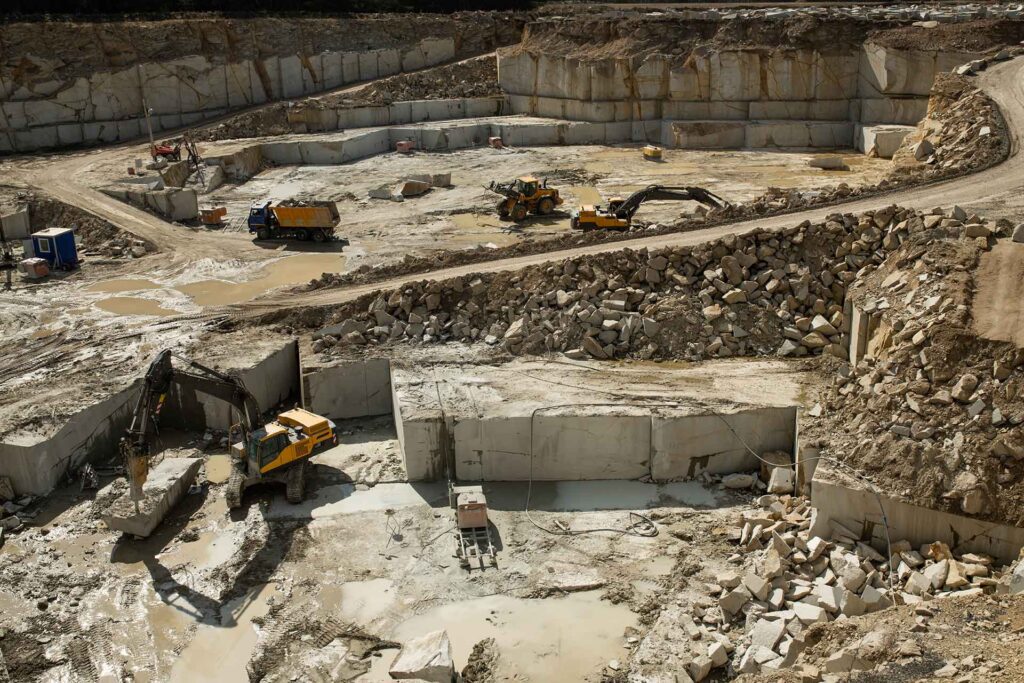
Quarry transport usually involves rough roads, abrasive materials, and repeated impact loading. Chassis strength, body wear resistance, and suspension durability become priority factors.
Infrastructure Projects Require Stable Material Flow
Highway and road construction projects often require continuous delivery of road base materials and aggregates. In this situation, cycle consistency is more valuable than occasional maximum loading.
Loading Equipment Should Work in Rhythm With Trucks
If the loader or excavator is not well matched with the truck body, loading time increases or material distribution becomes uneven. The best hauling setup keeps loading, transport, unloading, and return cycles balanced.
Aggregate Hauling Equipment Selection Table
| Project Condition | Main Challenge | Equipment Focus |
|---|---|---|
| Quarry aggregate transport | Abrasive material and rough roads | Strong chassis and wear-resistant body |
| Road base delivery | Continuous material supply | Stable cycle performance |
| Wet soil or mixed aggregates | Sticking and changing weight | Reliable hydraulics and body design |
| Long haul routes | Fuel use and driver fatigue | Powertrain matching and comfort |
| Uneven temporary roads | Vibration and stability | Suspension and braking performance |
How Haiyu Supports Aggregate Hauling Applications
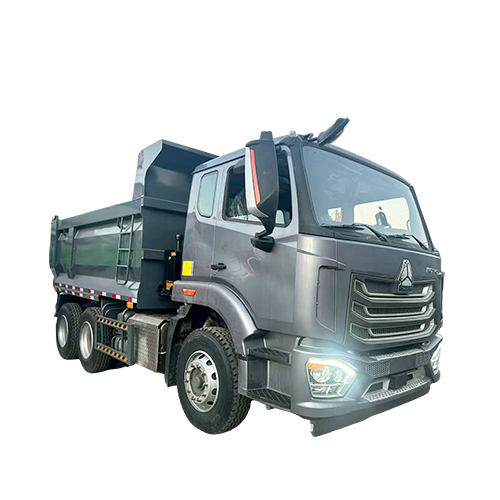
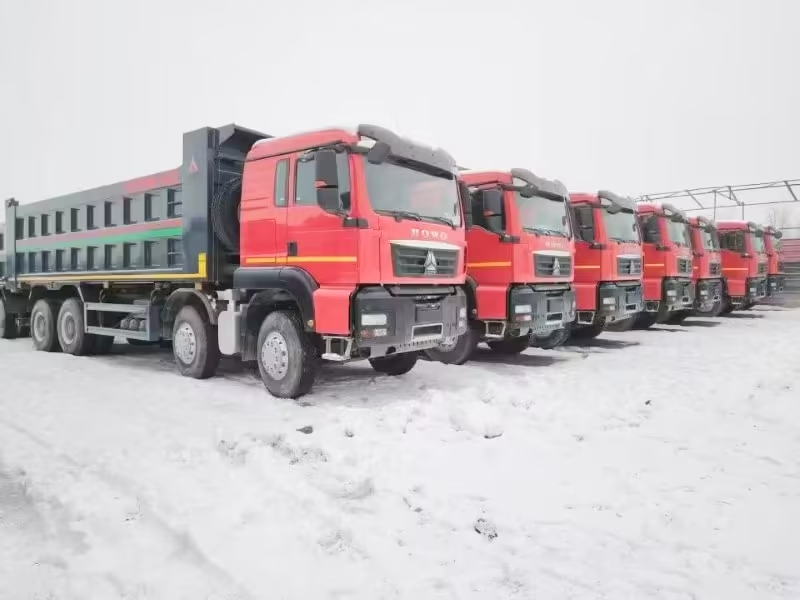
Haiyu heavy-duty trucks can be positioned around real construction and quarry needs rather than simple product specifications.
Focusing on Operational Reliability
For aggregate hauling, reliability means fewer interruptions during repeated transport cycles. Haiyu trucks should be presented as hauling solutions that support stable material movement under demanding working conditions.
Supporting Long-Term Infrastructure Projects
Large infrastructure projects require equipment that can work consistently over long periods. Haiyu trucks can support quarry supply, road construction, earthmoving, aggregate delivery, and industrial site development.
Matching Trucks to Real Working Conditions
The strongest positioning for Haiyu is not “bigger capacity” alone. It is the ability to match truck configuration with project requirements, material type, haul road conditions, and daily production rhythm.
What Experienced Contractors Usually Evaluate
Professional contractors rarely choose hauling equipment based on one specification. They focus on the full operating result.
Looking Beyond Payload Figures
Payload capacity matters, but it does not guarantee productivity. A truck with stable cycle performance, reliable hydraulics, strong braking, and easy maintenance may deliver better long-term results.
Evaluating Total Transport Efficiency
True efficiency comes from how well the truck works with loaders, road conditions, operators, maintenance teams, and unloading areas. When all parts of the workflow are balanced, aggregate hauling becomes more predictable.
Conclusion
Aggregate hauling is a core part of construction and quarry productivity. It affects material flow, equipment utilization, project scheduling, and long-term operating reliability.
The most effective aggregate hauling equipment is not simply the truck with the largest body or highest rated payload. It is the truck that keeps the project moving smoothly across repeated working cycles.
FAQ
What is aggregate hauling?
Aggregate hauling refers to transporting crushed stone, gravel, sand, road base materials, and quarry aggregates for construction and infrastructure projects.
Why is aggregate hauling important in construction?
It keeps material moving between production, loading, and placement areas. If hauling becomes inefficient, other machines and teams may experience delays.
What affects aggregate hauling efficiency?
Efficiency is shaped by material behavior, haul road quality, loading coordination, truck configuration, hydraulic performance, and maintenance condition.
Why are heavy-duty trucks used for aggregate hauling?
Heavy-duty trucks are used because aggregates are dense, abrasive, and often transported repeatedly under rough working conditions.
How can Haiyu trucks support aggregate hauling projects?
Haiyu trucks can support aggregate hauling by providing reliable heavy-duty transport for quarry materials, road base materials, earthmoving work, and infrastructure construction.