A concrete mixer truck is a productivity asset for ready-mix suppliers, building contractors, batching plant operators, and infrastructure projects. Its job is not only to transport concrete but also to keep the mixture workable until discharge. For buyers, choosing the right concrete mixer truck means balancing drum capacity, chassis strength, route conditions, jobsite access, local weight limits, and maintenance support.
Haiyu supplies HOWO 6×4 concrete mixer truck and HOWO 8×4 concrete mixer truck options for construction fleets that need dependable equipment. This guide explains how procurement teams can define the right specification before requesting a quotation, without relying on generic capacity claims alone.
Start With the Concrete Delivery Scenario
The first question is how the concrete mixer truck will actually be used. Urban delivery may involve narrow streets, frequent stops, and limited discharge space. Highway projects may require longer travel distances from the batching plant. Large commercial jobs may need higher delivery volume and faster turnaround. Each scenario leads to a different balance between capacity, maneuverability, and chassis choice.
Buyers should list average delivery distance, expected road condition, daily trip count, concrete type, discharge method, and site access limits. A concrete mixer truck that performs well on wide industrial roads may be inconvenient on dense urban projects. A compact configuration may be easy to maneuver but unsuitable for high-volume supply.

Drum Capacity and Chassis Configuration
Drum capacity is important, but it should not be considered in isolation. A concrete mixer truck must comply with local axle load and road weight rules when loaded. The chassis, suspension, braking system, tires, and frame must support the concrete mixer truck operating weight safely. Buyers should avoid selecting the largest drum available if the route or legal limit cannot support it.
For many markets, 6×4 mixer trucks are practical for general construction supply, while 8×4 configurations can support larger projects where routes and regulations allow. The final choice should be based on payload legality, site access, and batching plant dispatch efficiency rather than headline volume alone.
Mixing System and Discharge Performance
A concrete mixer truck depends on its drum, hydraulic system, reducer, water system, chute design, and control layout. The system must rotate smoothly during transport and discharge predictably on site. Buyers should ask about the hydraulic components, drum material, blade design, control positions, and cleaning access.
Ready-mix concrete quality is influenced by batching, transport time, ambient temperature, and handling practices. The general concept of ready-mix concrete highlights that concrete is produced to a specific job requirement before delivery. The concrete mixer truck specification should support that process instead of becoming a weak link between plant and jobsite.
| Component | Buyer Concern | Practical Check |
|---|---|---|
| Drum and blades | Mixing consistency and discharge speed | Ask about material, blade layout, and wear resistance |
| Hydraulic system | Reliability under frequent rotation cycles | Confirm pump, motor, reducer, and service support |
| Water system | Cleaning and workability control | Check tank capacity and line layout |
| Chutes | Discharge reach and jobsite convenience | Confirm chute length and extension options |
| Chassis | Loaded stability and legal operation | Match axle layout to local regulations and route conditions |
Jobsite Access and Maneuverability
A concrete mixer truck often works in space-limited environments. Turning radius, wheelbase, cab visibility, mirror layout, ground clearance, and discharge position all affect jobsite efficiency. If a truck cannot reach the pour location safely, the fleet may need additional equipment or more manual handling, which reduces productivity.
For urban sites, a shorter wheelbase and appropriate drum size may be more valuable than maximum capacity. For industrial projects with open access roads, a larger configuration may improve delivery volume. Buyers should provide photos or descriptions of typical jobsites when discussing specifications with the manufacturer.
Maintenance Points Buyers Should Review
Maintenance planning is critical because concrete residue can quickly create problems if cleaning is neglected. Buyers should review access to drum rollers, hydraulic hoses, water lines, discharge chute hinges, lubrication points, and electrical connections. The easier these points are to inspect, the easier it is for the fleet to keep the truck available.
A concrete mixer truck also needs chassis maintenance like any heavy-duty vehicle. Brake inspection, tire condition, suspension wear, engine cooling, and transmission service should be scheduled according to workload. Fleets should confirm spare parts availability before purchase, especially when the truck will operate far from major service centers.
Comparing 6×4 and 8×4 Mixer Trucks
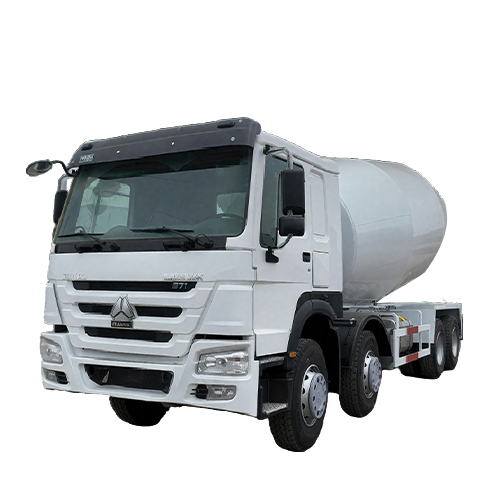
A 6×4 concrete mixer truck usually offers a useful balance of capacity, traction, and maneuverability for many construction markets. An 8×4 model can carry a larger drum and may improve delivery efficiency on high-volume projects, but it also needs more road space and must comply with local axle load rules.
| Configuration | Typical Strength | Best-Fit Scenario |
|---|---|---|
| 6×4 concrete mixer truck | Balanced mobility and capacity | Urban construction, regional supply, mixed project work |
| 8×4 concrete mixer truck | Higher volume potential | Large infrastructure, wider roads, high daily dispatch volume |
| Custom mixer specification | Better fit for local conditions | Markets with special regulations, climate, or site limits |
Quality, Safety, and Documentation Checks
Buyers should ask for clear documentation on chassis model, engine, transmission, axle configuration, drum specification, hydraulic system, and after-sales support. Safety-related items such as braking performance, lighting, mirrors, backup alarms where required, and operator access should be reviewed before shipment.
For general jobsite safety, official guidance from organizations such as OSHA can help buyers think about worksite hazards, though local regulations should always be checked. The truck should support safe operation through visibility, stable discharge, predictable controls, and maintainable systems.
How to Specify a Mixer Truck Before Ordering
A practical request should include target drum capacity, local weight limits, road conditions, delivery distance, climate, batching plant layout, discharge requirements, and preferred chassis brand. If the buyer already operates mixer trucks, maintenance pain points from the current fleet should be shared with the supplier.
Haiyu can discuss custom-built truck specifications for concrete delivery and construction projects. Browse the product page or send project requirements through the contact page. A detailed operating profile helps the team recommend a concrete mixer truck that fits real site conditions and fleet goals.
FAQ
What size concrete mixer truck should I choose?
Choose based on legal weight limits, route distance, site access, and daily delivery volume. Drum capacity should match the full operating scenario, not just maximum load preference.
Is a 6×4 or 8×4 concrete mixer truck better?
A 6×4 model is often more maneuverable, while an 8×4 model can suit higher-volume projects where roads and regulations allow. The better choice depends on the route and jobsite.
What maintenance issues are most important?
Cleaning, hydraulic system inspection, chute maintenance, tire condition, brakes, and chassis service are all important for keeping the truck available.
Can a mixer truck be customized for local markets?
Yes. Chassis configuration, drum size, hydraulic components, water system, and export documentation can be discussed according to market requirements.
How can I request a suitable mixer truck configuration from Haiyu?
Send your road conditions, delivery distance, drum capacity target, local regulations, and service expectations. Haiyu can then recommend a concrete mixer truck configuration for your construction fleet.