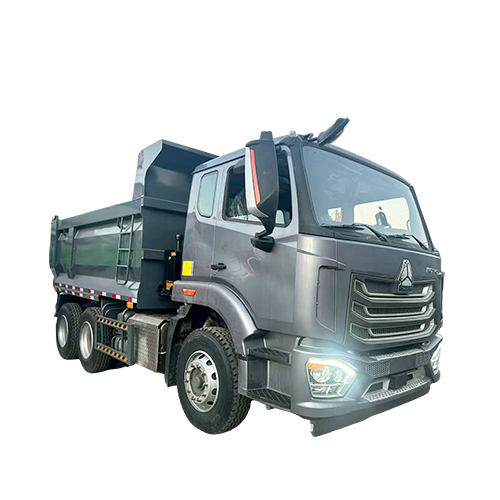

Introduction
In modern transport and logistics, one-size-fits-all solutions rarely meet real-world demands. Different industries require trucks that can handle unique challenges—whether it’s transporting heavy construction materials, operating in rough terrain, or maintaining precise temperature control for perishable goods. That’s where custom-built trucks come in.
Custom-built trucks are designed and engineered to match specific operational needs. From chassis strength and suspension type to cargo design and onboard technology, every detail can be optimized for performance and reliability. This guide explores how custom truck solutions are transforming industries by offering flexibility, safety, and cost-efficiency.
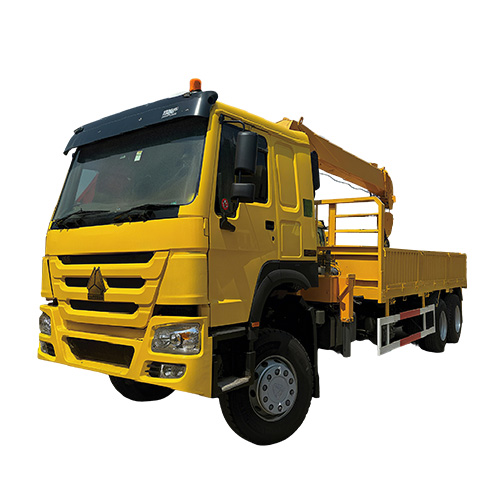
Why Choose Custom-Built Trucks?
Standard trucks serve general purposes, but they often fall short in specialized conditions. Custom-built trucks provide key advantages:
- Performance Optimization: Engine power, torque, and suspension can be tailored to handle specific loads or terrain.
- Operational Efficiency: Custom trucks are designed for exact applications, reducing fuel waste and improving payload utilization.
- Safety and Compliance: Built to meet regional standards and safety regulations for each industry.
- Durability: Reinforced materials and configurations reduce wear and maintenance.
- Branding Opportunities: Exterior customization reflects corporate identity and professionalism.
Custom-built trucks ensure that your vehicle works for you—not the other way around.
Industry Applications of Custom Truck Solutions
Construction and Mining
Heavy-duty dump trucks or low-bed transporters built for rugged terrain and high payloads improve productivity on demanding job sites.
Logistics and Freight
Customized box trucks or refrigerated units maintain precise temperature control, optimize cargo space, and improve last-mile delivery efficiency.
Oil and Gas Industry
Tanker trucks designed for hazardous materials ensure leak-proof construction, enhanced safety valves, and anti-roll systems.
Agriculture
Custom flatbed or grain transport trucks streamline harvesting, storage, and delivery operations.
Public Services and Utilities
Custom fire trucks, waste collection trucks, and maintenance vehicles support public safety and efficiency with specialized equipment.
These examples show that custom-built trucks can fit any operational environment—from city streets to mining sites.
Design and Customization Process
Creating a custom-built truck involves close collaboration between engineers, designers, and operators. The process typically includes:
- Needs Assessment – Define operational challenges, cargo type, and performance requirements.
- Design and Engineering – Customize chassis, powertrain, and suspension for intended use.
- Body and Equipment Integration – Add specialized bodies, cranes, tanks, or storage systems.
- Testing and Certification – Ensure safety, performance, and compliance with transport regulations.
- Delivery and After-Sales Support – Provide maintenance plans and technical guidance for long-term reliability.
Each stage ensures that your custom-built truck perfectly matches real-world conditions.
Key Technical Features to Consider
| Feature | Why It Matters | Recommendation |
|---|---|---|
| Chassis Strength | Determines truck durability and payload capacity | Choose high-tensile steel or reinforced alloy |
| Engine Power | Affects hauling capacity and terrain handling | Match horsepower to load and distance |
| Suspension System | Improves stability and ride comfort | Air suspension for highway, leaf spring for off-road |
| Brake System | Ensures safety during high-load operations | Include ABS and EBS systems |
| Cargo Body Design | Impacts efficiency and load security | Optimize volume, shape, and material based on cargo type |
| Telemetry System | Monitors performance and maintenance | Integrate real-time tracking and diagnostics |
| Fuel Efficiency | Reduces long-term costs | Consider aerodynamic design and engine calibration |
Customizing these features leads to safer, more efficient, and longer-lasting trucks.
Case Study: Custom Dump Truck for Construction Use
A construction company operating in mountainous regions struggled with standard dump trucks that often overheated and couldn’t handle steep gradients.
After consulting a truck manufacturer, they commissioned custom-built trucks equipped with:
- Reinforced chassis and high-torque engines
- Upgraded braking systems for steep slopes
- Specialized cooling systems for hot climates
- Enhanced hydraulic tipping for faster unloading
Results:
- 25% faster project completion rate
- 15% lower fuel consumption
- Reduced mechanical failures
- Improved driver confidence and safety
This demonstrates how custom truck solutions directly improve productivity and reduce operational risk.
Maintenance and Longevity
Custom-built trucks, when properly maintained, can outperform standard models in both reliability and lifespan. Key practices include:
- Scheduled inspections of mechanical and electronic systems
- Regular lubrication and part replacement
- Using manufacturer-recommended components
- Monitoring telemetry data for early issue detection
Well-maintained custom-built trucks can operate efficiently for 10–15 years, depending on load intensity and terrain.
Future of Custom Truck Solutions
The trucking industry is rapidly evolving. Future trends include:
- Electrification and Hybrid Systems – Reducing emissions and fuel costs
- Smart Monitoring – AI-based diagnostics and real-time tracking
- Sustainable Materials – Lightweight, recyclable metals and composites
- Automation and Safety Enhancements – Semi-autonomous driving support and smart braking
- On-Demand Manufacturing – Digital design platforms for faster customization turnaround
As industries diversify, custom-built trucks will become the new standard for efficiency and performance.
Conclusion
Custom-built trucks provide a strategic advantage by addressing specific operational needs across industries. They enhance efficiency, ensure safety, and extend vehicle lifespan. Whether you need a dump truck for construction, a tanker for oil transport, or a refrigerated vehicle for logistics, a tailored solution ensures better performance and long-term value.
FAQ
Q1: What makes custom-built trucks different from standard models?
They are designed to match specific operational needs, improving performance, durability, and efficiency.
Q2: How long does it take to build a custom truck?
Depending on complexity, the process usually takes 2–6 months from design to delivery.
Q3: Can custom-built trucks be modified later?
Yes, most are designed with modular systems for future upgrades or reconfiguration.
Q4: Are custom-built trucks more expensive?
They can be at first, but long-term savings from fuel efficiency and reduced downtime offset the initial investment.
Q5: Which industries benefit most from custom-built trucks?
Construction, logistics, agriculture, oil and gas, and public service sectors all gain measurable advantages.