
Introduction
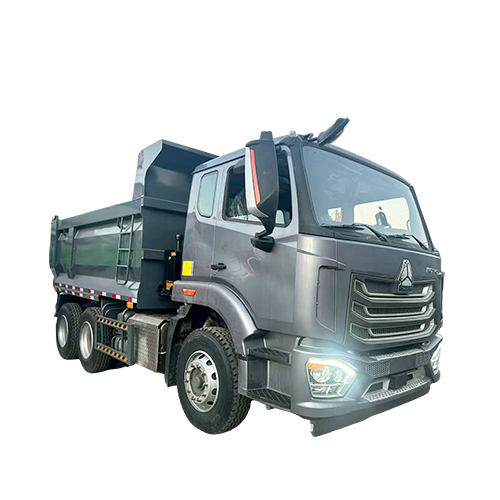
Diesel dump trucks are designed for demanding work environments such as construction sites, mining operations, and large-scale infrastructure projects. While these machines are built for durability, their long-term performance depends heavily on proper maintenance. A well-maintained diesel dump truck delivers consistent power, higher uptime, and reduced risk of unexpected breakdowns.
This guide explains essential diesel dump truck maintenance practices, focusing on real-world operating conditions rather than theory. Whether your trucks operate on rough haul roads or long daily shifts, these best practices help extend service life and maintain reliable performance.

Why Maintenance Matters for Diesel Dump Trucks
Diesel dump trucks operate under constant mechanical stress. Heavy payloads, frequent dumping cycles, dust, heat, and vibration all accelerate wear on key components. Without a structured maintenance plan, small issues can quickly develop into major failures.
Regular maintenance improves reliability, protects critical systems, and ensures the truck performs as designed over its full working life. It also supports operational safety by reducing the risk of brake, steering, or hydraulic failures.
Engine Inspection and Routine Servicing
The diesel engine is the heart of the dump truck and requires consistent attention. Routine engine inspections help identify leaks, abnormal noises, or temperature fluctuations before they lead to downtime.
Key engine maintenance tasks include checking lubrication systems, monitoring coolant condition, inspecting belts and hoses, and ensuring proper combustion performance. Clean fuel delivery and stable engine temperatures are essential for maintaining torque output and fuel efficiency under load.
Fuel System Maintenance and Filtration
Diesel dump trucks rely on clean fuel for efficient combustion. Contaminated fuel can damage injectors and reduce engine performance, especially in dusty or remote job sites.
Regular replacement of fuel filters and inspection of fuel lines helps prevent clogging and injector wear. Water separators should also be checked frequently, as moisture in fuel systems can cause corrosion and performance loss.
Maintaining fuel system cleanliness directly supports engine longevity and consistent power delivery.
Cooling System Care in Harsh Conditions
Diesel dump trucks often work in high-temperature environments or under heavy loads for extended periods. Effective cooling is critical to prevent overheating and engine damage.
Cooling system maintenance includes inspecting radiators, cleaning debris from cooling fins, checking coolant levels, and monitoring fan operation. In dusty environments, clogged radiators are a common cause of overheating, making regular cleaning essential.
A properly maintained cooling system ensures stable engine operation throughout long shifts.
Transmission and Drivetrain Maintenance
The transmission and drivetrain transfer engine power to the wheels and endure high torque loads during hauling and dumping operations. Regular inspection of transmission fluid, seals, and mounting points helps prevent wear-related failures.
Drive shafts, differentials, and universal joints should be checked for alignment and lubrication. Smooth power transfer reduces stress on components and improves overall vehicle control on uneven terrain.
Brake System Inspection and Safety Checks
Brake systems are critical for safety, especially when diesel dump trucks operate at full load on slopes or rough roads. Regular brake inspections ensure consistent stopping power and reduce the risk of accidents.
Maintenance tasks include checking brake pads, discs, drums, and hydraulic or air brake systems. Proper adjustment and timely replacement of worn components help maintain braking performance under heavy-duty conditions.
Suspension and Chassis Maintenance
The suspension system absorbs shocks and supports heavy payloads, while the chassis bears the overall structural load. Both systems experience continuous stress during operation.
Routine inspections should focus on suspension components, bushings, springs, and frame integrity. Cracks, loose fasteners, or uneven wear patterns should be addressed early to avoid structural damage.
Maintaining suspension and chassis health improves vehicle stability and driver control.
Hydraulic System Maintenance for Dumping Operations
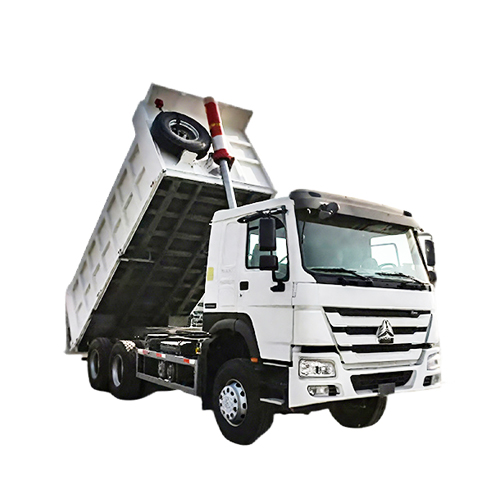
The hydraulic system powers the lifting and lowering of the dump body. Reliable hydraulic performance is essential for safe and efficient unloading.
Maintenance includes checking hydraulic fluid levels, inspecting hoses and cylinders for leaks, and monitoring lifting speed and stability. Clean hydraulic fluid and properly sealed components prevent pressure loss and ensure smooth dumping cycles.
Maintenance Overview by System
| System | Key Maintenance Focus | Operational Benefit |
|---|---|---|
| Engine | Lubrication, cooling, inspections | Consistent power and long service life |
| Fuel System | Filtration and contamination control | Stable combustion and efficiency |
| Cooling System | Radiator cleaning and coolant checks | Prevents overheating |
| Brakes | Pad and system inspections | Improved safety and control |
| Suspension & Chassis | Structural inspections | Vehicle stability and durability |
| Hydraulics | Leak checks and fluid condition | Reliable dumping performance |
Preventive Maintenance vs Reactive Repairs
Preventive maintenance focuses on scheduled inspections and servicing before problems occur. This approach reduces unexpected downtime and extends component life.
Reactive repairs, on the other hand, address failures after they happen, often leading to higher costs and lost productivity. Diesel dump trucks benefit significantly from preventive maintenance programs due to their heavy-duty operating conditions.
Operator Responsibility and Daily Checks
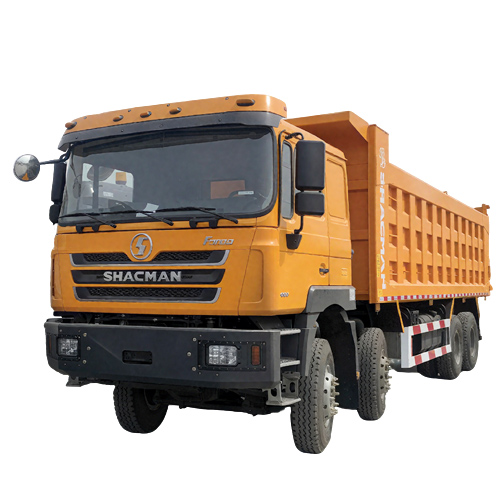
Drivers play an important role in diesel dump truck maintenance. Daily walk-around inspections help identify visible issues such as leaks, loose components, or abnormal tire wear.
Training operators to report early warning signs improves maintenance response time and helps protect the vehicle from serious damage. Operator awareness directly contributes to long-term reliability.
Conclusion
Proper maintenance is essential for maximizing the reliability and lifespan of diesel dump trucks. By focusing on engines, fuel systems, cooling, brakes, suspension, and hydraulics, operators can ensure consistent performance even in the most demanding environments.
A disciplined maintenance strategy reduces downtime, improves safety, and allows diesel dump trucks to deliver dependable service across construction, mining, and infrastructure projects.
FAQ
How often should diesel dump trucks be serviced?
Service intervals depend on operating conditions, but regular inspections and scheduled servicing are essential for heavy-duty use.
What is the most critical maintenance area for diesel dump trucks?
Engine, cooling, and fuel systems are the most critical due to their impact on performance and reliability.
Can preventive maintenance reduce downtime?
Yes, preventive maintenance significantly reduces unexpected breakdowns and extends component life.
Do harsh environments increase maintenance needs?
Dust, heat, and rough terrain increase wear, making more frequent inspections necessary.
Are operator checks important for maintenance?
Yes, daily inspections by operators help detect issues early and prevent major failures.