Introduction
Axle configuration plays a critical role in the overall performance, stability, and load capacity of a dump truck. Whether used in construction, mining, or infrastructure development, the number and arrangement of axles directly influence payload capability, traction, maneuverability, and regulatory compliance.
Understanding dump truck axle configurations helps operators select the right vehicle for specific working conditions while optimizing safety and durability.

Why Axle Configuration Matters
Axles are responsible for supporting vehicle weight and distributing load evenly across tires and the chassis. Improper axle selection can lead to premature wear, reduced stability, and operational inefficiencies.
In heavy-duty environments, dump truck axle configurations determine how well the truck handles steep grades, loose terrain, and high payload cycles.
Common Dump Truck Axle Configurations
4×2 Configuration
A 4×2 dump truck has two axles, with power delivered to one axle. This configuration is typically used for lighter-duty applications and shorter haul distances.
Advantages include lower operating weight and improved fuel efficiency. However, traction may be limited in rough terrain or under heavy loads.
6×4 Configuration
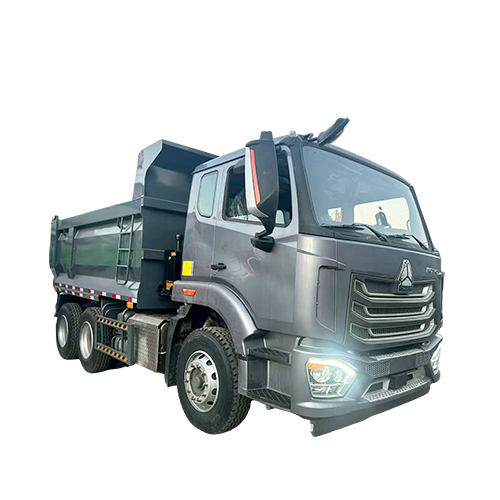
The 6×4 configuration includes three axles, with power delivered to two rear axles. This is one of the most common setups for heavy-duty dump trucks.
It offers strong traction, better load distribution, and improved stability, making it suitable for construction and medium-to-heavy hauling tasks.
8×4 Configuration
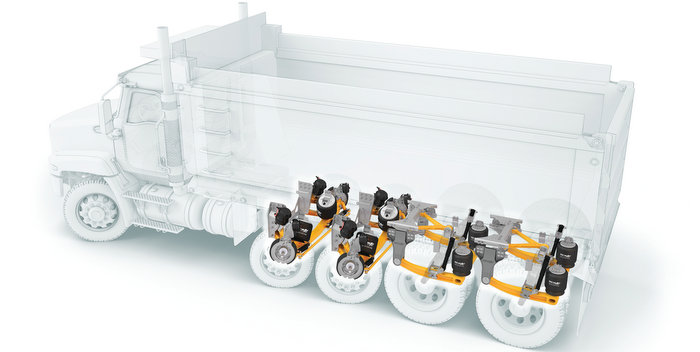
An 8×4 dump truck uses four axles, with two powered rear axles and two steering axles. This configuration increases payload capacity while maintaining balanced weight distribution.
It is widely used in large construction projects where higher legal load limits are required.
8×6 Configuration
In this setup, three axles are powered. The additional driven axle enhances traction in difficult terrain such as muddy or rocky job sites.
This configuration is often preferred in mining or remote environments where stability and traction are critical.
Load Distribution and Weight Balance
Proper load distribution reduces stress on the chassis, suspension, and tires. Multi-axle dump truck configurations allow weight to be spread across more contact points, improving safety and regulatory compliance.
Balanced axle loads prevent uneven tire wear and enhance vehicle control during braking and cornering.
Axle Load Capacity Comparison
| Configuration | Number of Axles | Driven Axles | Typical Application | Load Stability |
|---|---|---|---|---|
| 4×2 | 2 | 1 | Light construction | Moderate |
| 6×4 | 3 | 2 | General construction | High |
| 8×4 | 4 | 2 | Heavy construction | Very High |
| 8×6 | 4 | 3 | Mining & rough terrain | Maximum |
This comparison highlights how dump truck axle configurations directly influence operational suitability.
Traction and Terrain Adaptability
More driven axles increase traction, especially on uneven or loose surfaces. In off-road environments, axle configuration significantly affects climbing ability and stability under load.
For mining and quarry operations, configurations with multiple driven axles provide better control and reduce slippage.
Impact on Suspension and Chassis Durability
Axle layout affects how forces are transmitted through the suspension and frame. Properly designed dump truck axle configurations reduce structural fatigue and improve long-term durability.
Heavier configurations require reinforced frames and high-strength suspension systems to maintain structural integrity.
Regulatory Considerations
Different regions impose axle load limits and vehicle weight regulations. Selecting the correct axle configuration ensures compliance while maximizing allowable payload.
Operators must consider local transportation laws when choosing dump truck specifications.

Operational Efficiency
Choosing the right dump truck axle configuration improves efficiency by matching vehicle capability with job site requirements. Over-specifying increases costs, while under-specifying reduces productivity.
Careful selection balances payload, traction, maneuverability, and maintenance needs.
Conclusion
Dump truck axle configurations are fundamental to performance, safety, and durability. From 4×2 light-duty setups to 8×6 heavy-duty mining configurations, each arrangement serves a specific operational purpose.
Understanding how axle layouts affect load distribution, traction, and structural stress allows operators to make informed decisions that improve long-term efficiency and reliability.
FAQ
What is the most common dump truck axle configuration?
The 6×4 configuration is widely used due to its balance of traction and load capacity.
Do more axles increase payload capacity?
Yes, additional axles distribute weight more evenly, often allowing higher legal payload limits.
Which configuration is best for mining?
8×6 configurations provide strong traction and stability for rough terrain.
How does axle configuration affect maintenance?
More axles increase component complexity but improve load distribution, reducing stress on individual parts.
Is axle configuration important for safety?
Yes, proper load distribution improves braking stability and vehicle control.