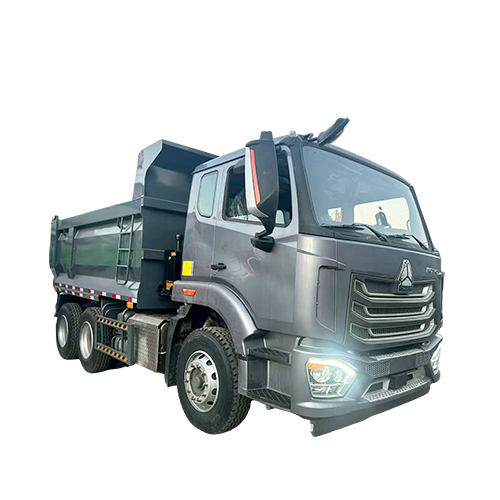
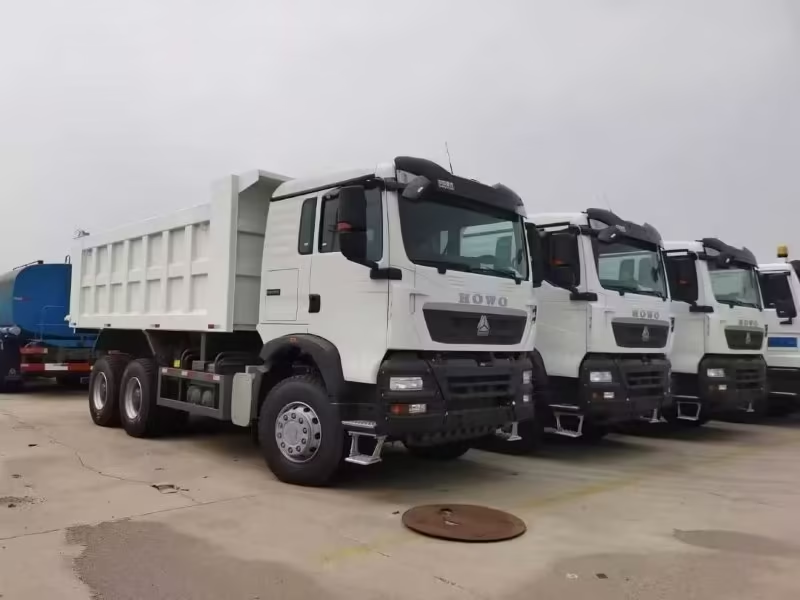
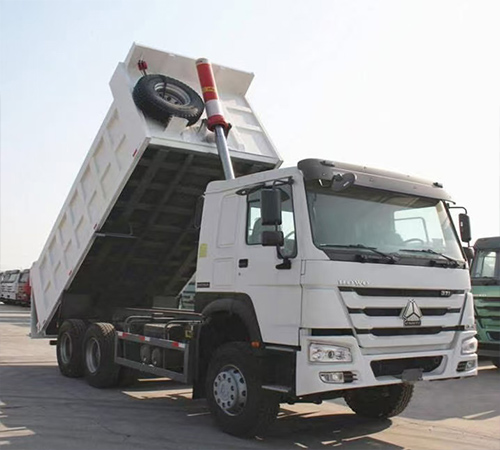
Heavy-duty hauling looks simple from a distance — load material, drive, unload, repeat. But anyone working around construction sites, quarries, or mining projects knows the reality is far more demanding. When a dump truck struggles uphill with a full load or loses pulling power in rough terrain, the issue often comes down to one thing: the dump truck engine.
The engine does much more than move the vehicle forward. It determines hauling efficiency, climbing ability, operational stability, and even how consistently a truck performs over long working hours. Yet many buyers and operators focus only on horsepower, overlooking the deeper factors that actually influence heavy-duty performance.
If you’re comparing trucks or trying to understand what makes a reliable heavy-duty vehicle, understanding how a dump truck engine works in real-world conditions is essential.
Table of Contents
Not All Dump Truck Engines Perform the Same Under Load
On paper, two dump trucks may look similar. Similar dimensions, similar payload categories, and even comparable power ratings. But once they enter demanding environments, performance differences become obvious.
A dump truck engine built for heavy-duty hauling is designed around torque delivery rather than speed. In industries like mining and infrastructure development, trucks rarely operate under ideal road conditions. They move through mud, gravel, loose sand, steep inclines, and uneven surfaces — often while carrying maximum payloads.
This is where engine behavior matters.
A truck that feels strong on flat roads may struggle on steep grades if torque delivery is inconsistent. By contrast, a well-matched dump truck engine maintains pulling force even at lower RPM ranges, helping operators move heavy material more smoothly without overstressing the drivetrain.
For most jobsite environments, real working performance matters more than theoretical specifications.
Horsepower Gets the Attention — Torque Does the Heavy Lifting
One of the most common misunderstandings when evaluating a dump truck engine is assuming higher horsepower automatically means better performance.
Horsepower certainly matters, especially for long-distance hauling or maintaining speed on open roads. But in heavy-duty transport, torque is often the deciding factor.
Think of torque as the force that helps a loaded truck start moving without hesitation.
When transporting aggregates, sand, gravel, or excavation materials, operators need a dump truck engine capable of generating strong low-end pulling power. High torque becomes especially important when:
- Climbing steep construction roads
- Driving on loose or unstable surfaces
- Carrying full payloads repeatedly
- Operating in mining environments with constant elevation changes
This explains why diesel-powered dump trucks continue to dominate demanding industries — they are engineered to deliver usable power where it matters most.
Why Diesel Engines Still Dominate Heavy-Duty Dump Trucks
Despite ongoing conversations about alternative technologies, diesel remains the preferred solution in most heavy-duty applications.
There are practical reasons for this.
A diesel dump truck engine is naturally suited for carrying heavy loads because it produces strong torque at lower engine speeds. This reduces strain during acceleration and improves stability during hauling.
Another reason is durability.
Construction and mining operations demand consistency. Trucks may operate for long shifts in dusty environments, under high temperatures, or across uneven terrain. A well-built diesel dump truck engine is designed to handle these conditions with stable output and predictable performance.
More importantly, diesel engine technology has matured over decades. Maintenance procedures, replacement parts, and operational knowledge are widely understood across the heavy equipment industry.
A Closer Look at What Makes a Reliable Dump Truck Engine
Reliability is rarely the result of one single component. Instead, it comes from how different systems work together.
Below are several factors that strongly influence dump truck engine performance in real working conditions.
Cooling Capacity Matters More Than Many Operators Realize
Heavy hauling creates heat — a lot of it.
When trucks carry heavy loads continuously, engine temperatures rise quickly. Without an effective cooling system, overheating can reduce efficiency and eventually affect reliability.
A dependable dump truck engine usually relies on:
| Engine Support System | Why It Matters |
|---|---|
| Heavy-duty radiator | Helps regulate operating temperature |
| Cooling fan system | Maintains airflow under load |
| High-capacity coolant circulation | Prevents overheating during long shifts |
| Efficient airflow design | Supports stable engine operation |
In demanding environments, cooling performance often influences long-term durability more than operators expect.
Turbocharging Changes Real-World Performance
Modern heavy-duty trucks increasingly rely on turbocharging to improve engine output.
Rather than increasing engine size dramatically, a turbocharger allows a dump truck engine to produce stronger pulling power more efficiently.
This becomes especially noticeable when:
- Driving uphill under load
- Working in higher-altitude areas
- Operating with repeated stop-start cycles
- Hauling dense materials such as crushed stone or wet soil
For operators, this often translates into smoother power delivery rather than aggressive acceleration.
Fuel Delivery Influences More Than Efficiency
Fuel systems affect far more than fuel consumption.
A properly functioning injection system helps a dump truck engine maintain stable combustion, smoother acceleration, and more predictable hauling performance.
Inconsistent fuel delivery can sometimes appear as sluggish response, reduced climbing power, or unstable engine behavior during full-load transport.
For trucks operating in dusty environments, clean fuel systems become even more important.
Common Signs a Dump Truck Engine Needs Attention
Experienced operators often recognize issues early.
A dump truck engine rarely fails without warning signs. Small performance changes usually appear first.
Things worth paying attention to include:
- Reduced pulling power under load
- Unusual exhaust smoke
- Rising operating temperatures
- Delayed throttle response
- Unusual vibration or noise
Addressing small issues early often prevents larger mechanical problems later.
Maintenance Habits That Help Protect Engine Performance
Heavy-duty trucks operate in harsh environments, so maintenance consistency matters.
Instead of waiting for visible problems, many fleet managers prioritize preventive checks focused on engine reliability.
Good maintenance practices generally include:
- Inspecting cooling systems regularly
- Monitoring engine lubrication condition
- Checking air filtration in dusty environments
- Reviewing fuel system cleanliness
- Watching for signs of overheating or leakage
The goal is not only to protect the dump truck engine, but also to maintain predictable jobsite performance.
Choosing the Right Dump Truck Engine for the Job
There is no universal answer when selecting a dump truck engine.
The best choice depends heavily on operating conditions.
For example:
Construction projects often prioritize flexibility and consistent daily hauling.
Mining operations usually require higher torque and stronger climbing performance.
Quarry environments place more emphasis on durability under repeated heavy loads.
Understanding how a truck will actually be used usually matters more than chasing specifications alone.
Final Thoughts
A strong dump truck engine is not simply about power numbers. Real performance comes from how effectively an engine handles load, terrain, temperature, and long working hours.
For contractors, fleet operators, and equipment buyers, understanding engine characteristics helps avoid mismatched equipment and supports more reliable long-term operation.
In heavy-duty industries, consistent performance often matters more than impressive specifications — and the right dump truck engine is usually the difference between steady productivity and unnecessary downtime.
FAQ
What type of dump truck engine is most commonly used?
Diesel engines remain the most common choice because they provide strong torque and reliable heavy-load performance.
Why is torque important in a dump truck engine?
Torque affects how effectively a truck moves under load, especially on slopes and uneven terrain.
Does turbocharging improve dump truck engine performance?
Yes. Turbochargers help improve pulling power and overall engine efficiency during heavy-duty hauling.
How can operators improve dump truck engine lifespan?
Consistent maintenance, cooling system checks, and proper filtration are important for long-term reliability.
What affects dump truck engine performance the most?
Torque output, cooling efficiency, fuel delivery, terrain conditions, and maintenance habits all play important roles.