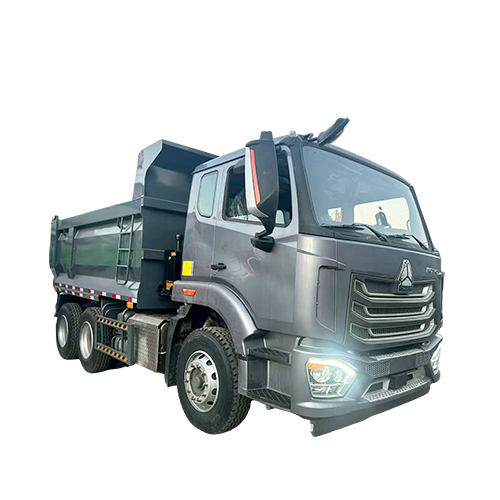
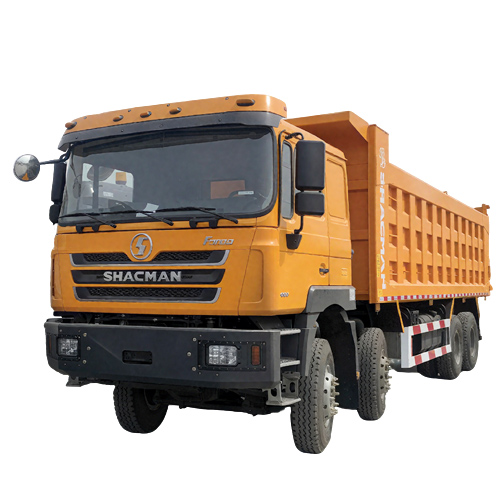
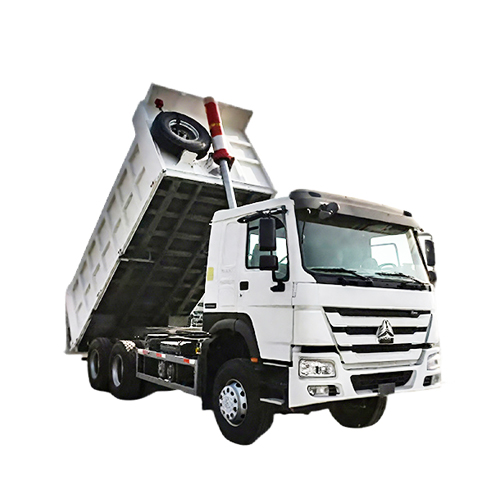
Selecting the right dump truck is one of the most important decisions for any business involved in heavy-duty material transport. From construction projects to mining operations, having a reliable and efficient truck affects productivity, cost management, and safety.
This guide focuses on dump truck selection for buyers, walking you through market trends, technical specifications, customization options, supplier evaluation, and future innovations. By the end of this article, you’ll have a clear roadmap to choose the right truck for your operations.
Understanding the Importance of Dump Truck Selection
The global market for dump trucks is growing rapidly. According to Grand View Research, the market reached approximately USD 67.2 billion in 2024 and is projected to expand at a CAGR of 7.1% between 2025 and 2030. Asia-Pacific dominates with around 69.7% market share, while North America is expected to grow fastest at roughly 8.3% CAGR.
Proper dump truck selection can significantly impact operational efficiency. The wrong truck can increase fuel consumption, maintenance costs, and downtime. For example, a construction company transporting 20 tons of material with an undersized truck may need extra trips, leading to higher costs and delayed project schedules. In contrast, selecting a truck with an optimal payload and tipping mechanism can reduce operational cycles, save fuel, and improve site productivity.
Key Specifications to Consider in Dump Truck Selection
When performing dump truck selection, several technical specifications should guide your decision:
| Specification Category | Why It Matters | Buyer Tip |
|---|---|---|
| Payload / Capacity | Determines how much material you can move per trip. | Match the GVW and rated payload to your average and peak loads. |
| Dump Body Design | Includes shape, tipping angle, and material. | Steeper angles reduce unloading time; abrasive loads require hardened steel or liners. |
| Chassis & Suspension | Impacts durability, maintenance, and ride stability. | For rough terrain, reinforced axles and frames are recommended. |
| Engine / Powertrain | Affects fuel efficiency, emissions compliance, and reliability. | Ensure engines meet local emission standards (Tier 4, Euro V/VI). |
| Tipping Mechanism | Influences cycle time and ease of unloading. | Balance hydraulic power and body volume for efficiency. |
| Telematics & Fleet Integration | Helps monitor utilization and maintenance schedules. | Choose systems compatible with your fleet management software. |
| After-Sales & Spare Parts | Minimizes downtime and ensures long-term reliability. | Confirm global service network and parts availability. |
Proper dump truck selection requires aligning these specifications with your operational environment, terrain, and load types to ensure maximum efficiency.
Customization Options and Their Impact
One-size-fits-all trucks are rarely optimal. Today, customization is a key factor in dump truck selection. Your site conditions, material type, and local regulations dictate specific design choices.
For example, a mining site with uneven terrain requires reinforced suspension, while an urban construction project benefits from a tighter turning radius and low-emission engines. Additionally, transporting heavy aggregate demands high-strength steel beds and steep tipping angles, while moving lighter debris may favor aluminum bodies for fuel efficiency.
Customization also includes telematics integration and driver ergonomics. Consistency across a fleet reduces training costs and simplifies maintenance, enhancing operational efficiency.
Evaluating Manufacturers for Dump Truck Selection
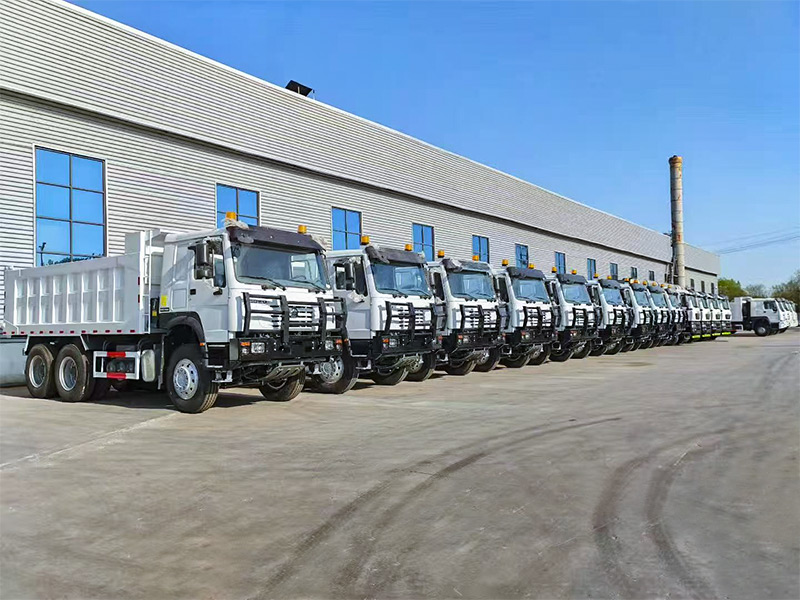
Selecting the right manufacturer is as critical as selecting the truck itself. Consider these eight factors during dump truck selection:
- Experience and track record – Look for 15–20 years of production experience.
- Quality assurance – ISO certification, welding inspection, and fatigue testing.
- R&D capability – In-house engineering for custom builds.
- Production capacity and lead time – Ability to meet your order volume on schedule.
- After-sales support – Spare parts availability and regional service.
- Customer references – Case studies in similar industries or regions.
- Total Cost of Ownership – Maintenance, fuel, and downtime considerations.
- Export and compliance expertise – Global shipping, documentation, and financial stability.
A capable manufacturer will guide your dump truck selection process with data-driven recommendations, ensuring long-term operational reliability.
Conclusion
Effective dump truck selection is more than choosing a vehicle; it’s about optimizing your operations, reducing costs, and improving productivity. Evaluate technical specifications, site requirements, customization options, and manufacturer capabilities. Choosing the right partner ensures your fleet remains efficient, compliant, and profitable for years to come.
In consistency and service reach. When you partner with the right manufacturer, you ensure your fleet remains efficient, compliant, and profitable for years to come.
FAQ
What payload capacity should I choose?
It depends on your material type, cycle time, and terrain. Ideally, choose a payload that meets your daily throughput targets with minimal excess capacity. Overloading shortens vehicle life and raises fuel consumption.
How important is the total cost of ownership (TCO)?
Extremely important. A truck that costs 5% more upfront can save 20% in fuel or downtime over five years. Always calculate maintenance, parts, and fuel when comparing models.
How do I assess a manufacturer’s reliability?
Check production history, quality certifications, customer feedback, and after-sales service network. Visit their facility if possible or request inspection videos.
Are electric dump trucks worth it yet?
Not universally. Diesel remains dominant, but electric models are promising for closed-site or urban use with charging infrastructure. Assess charging time, payload impact, and lifecycle cost before investing.
How long does a dump truck typically last?
A well-built, well-maintained truck can operate efficiently for 8–12 years. Frame design, hydraulic quality, and regular maintenance are key to longevity.
Need Help Choosing the Right Dump Truck? If you’re unsure about which dump truck or semi-trailer is best for your business operations, our experts are here to help. Contact us today for a personalized consultation and ensure your fleet is efficient, reliable, and tailored to your specific transport needs.
Don’t wait until downtime or inefficiency costs you—get in touch now to optimize your operations and maximize productivity!