
Introduction
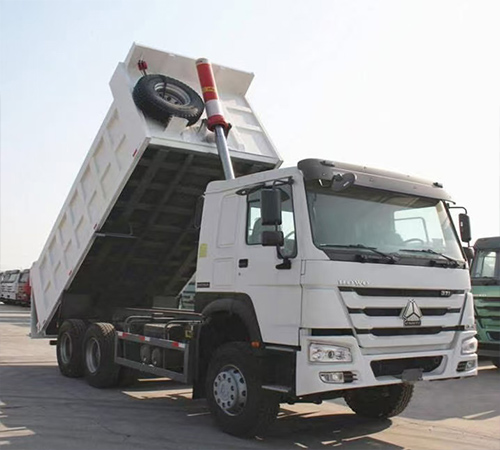
Heavy-duty transport requires vehicles that can reliably handle large payloads, tough terrain, and continuous operation. For B2B buyers in construction, mining, or logistics, choosing the right dump truck is a critical business decision. Selecting an inappropriate truck can result in increased fuel costs, more trips, excessive maintenance, and delayed project schedules.
This guide will walk you through the key considerations for dump truck selection, including types of dump trucks, technical specifications, customization options, case examples, and tips for evaluating manufacturers. By the end, you’ll have a clear understanding of how to choose a dump truck that maximizes efficiency, safety, and long-term value.
Understanding Dump Truck Types
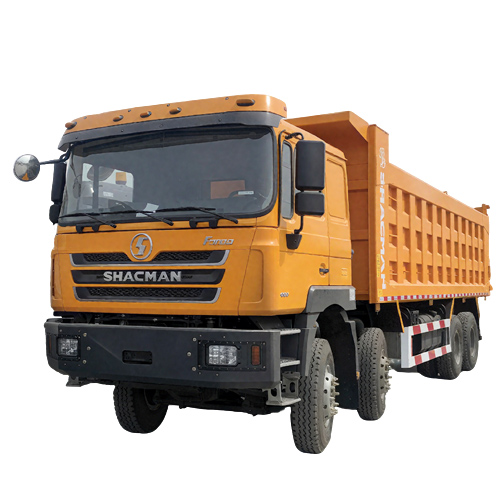
Dump trucks vary significantly depending on their design, capacity, and application. The main types include:
Standard Dump Trucks – Ideal for general construction and urban projects. They typically feature a fixed hydraulic lift and are suitable for moderate payloads.
Articulated Dump Trucks (ADT) – Designed for off-road conditions such as mines and quarries. Their articulated steering provides superior maneuverability on uneven terrain.
Side Dump Trucks – Allow material to be discharged from the side, useful in tight sites where rear dumping is impractical.
Transfer Dump Trucks – Equipped with a separate trailer to increase total payload, often used for large-scale earthmoving projects.
Proper dump truck selection starts with identifying which type best suits your operational requirements. Factors like site terrain, average load, and frequency of trips directly influence the type of truck you need.
Key Technical Specifications
When evaluating dump trucks, focus on specifications that directly impact operational efficiency:
| Specification Category | Why It Matters | Buyer Tip |
|---|---|---|
| Payload / Capacity | Determines load per trip and efficiency | Match payload with average and peak requirements to optimize fuel and reduce trips |
| Engine Power & Torque | Affects fuel efficiency, acceleration, and hill-climbing ability | Ensure engine meets operational terrain and load demands |
| Chassis & Suspension | Impacts durability and handling | Heavy-duty axles and reinforced frames for rough terrain |
| Dump Body Material | Influences longevity and maintenance | Choose abrasion-resistant steel for heavy loads or aluminum for lighter materials |
| Tipping Mechanism | Affects unloading speed | Hydraulic systems must balance body volume and tipping angle for efficiency |
| Fuel Efficiency | Reduces operational costs | Compare liters per ton per km for different models |
| Telematics & Fleet Integration | Monitors usage and maintenance | Choose systems compatible with existing fleet management software |
| Safety Features | Prevent accidents and comply with regulations | Include roll-over protection, backup cameras, and load indicators |
Evaluating these specifications ensures that your dump truck selection aligns with operational requirements and cost efficiency.
Customization Options
Modern projects often require specialized solutions. Customization in dump trucks enhances performance and safety:
- Reinforced Frames – For mining or heavy stone transport
- Extended Hydraulic Systems – For higher tipping angles to unload more efficiently
- Specialty Tires and Suspension – For extreme terrain or long-distance hauling
- Telematics & Sensors – Monitor payload, maintenance schedules, and fuel efficiency
- Material-Specific Beds – Abrasion-resistant steel, aluminum, or lined bodies, depending on cargo
Custom options are especially valuable when standard trucks cannot meet unique site or operational demands. Working with a manufacturer that supports customization ensures optimal performance and long-term reliability.
Manufacturer Selection Tips
Choosing the right manufacturer is as important as selecting the truck itself. Evaluate based on:
- Experience and Reputation – Look for companies with proven track records in heavy-duty vehicles
- Certifications and Quality Control – ISO certifications, welding inspections, and fatigue testing
- R&D and Customization Capability – Ability to tailor trucks to specific operational needs
- Production Capacity and Lead Times – Can they deliver the number of units you need within project timelines?
- After-Sales Support and Spare Parts – A reliable support network reduces downtime
- Client References – Case studies in similar industries help verify capabilities
A capable manufacturer can guide your dump truck selection process, ensuring the chosen truck meets performance, safety, and regulatory requirements.
Case Study: Optimizing Heavy-Duty Transport
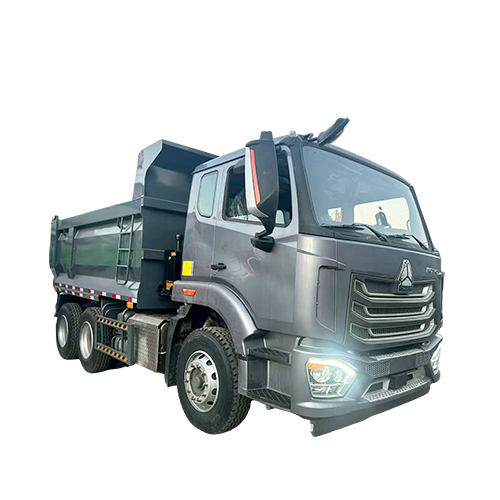
A construction firm in Southeast Asia needed to transport 25 tons of aggregate three times daily. Initially, they used standard 15-ton trucks, resulting in frequent trips, high fuel consumption, and project delays.
After consulting a manufacturer, they opted for 30-ton articulated dump trucks with reinforced suspension, 55° tipping angles, and telematics integration.
Results:
- 30% reduction in daily trips
- 12% lower fuel consumption per ton
- Reduced maintenance costs due to better load distribution
- Enhanced safety with built-in sensors and load indicators
This demonstrates that informed dump truck selection can significantly improve productivity, reduce costs, and enhance operational safety.
Maintenance and Lifespan Considerations
Proper maintenance prolongs the life of your dump trucks and ensures cost-efficiency:
- Perform regular inspections of hydraulics, brakes, and suspension
- Schedule preventive maintenance to avoid unexpected downtime
- Use manufacturer-recommended spare parts and consumables
- Train operators on safe handling and loading practices
A well-maintained dump truck can last 8–12 years or more, depending on load, terrain, and operational intensity.
Conclusion
Choosing the right dump truck requires balancing operational needs, technical specifications, customization options, and manufacturer reliability. A strategic dump truck selection ensures your fleet operates efficiently, safely, and profitably. For B2B buyers, this means reduced downtime, lower operational costs, and higher productivity across your projects.
FAQ
How do I choose the right payload capacity?
Consider your daily transport volume, peak loads, and terrain. Avoid under- or overloading to maintain efficiency.
Are articulated dump trucks better for mining?
Yes. Their maneuverability and reinforced frames handle rough terrain and heavy loads effectively.
What maintenance practices maximize dump truck lifespan?
Regular inspections, preventive maintenance, using OEM parts, and proper operator training.
Can I customize dump trucks for specific materials?
Absolutely. Custom beds, reinforced frames, and hydraulic adjustments can be tailored to your cargo.
How important is manufacturer support?
Critical. Quick access to parts, maintenance, and technical guidance minimizes downtime and protects your investment.