
Introduction
The dump truck industry is rapidly evolving, and electric dump trucks are at the forefront of this transformation. Combining electrification, automation, and advanced telematics, these vehicles are redefining efficiency, safety, and environmental sustainability in construction, mining, and heavy-duty material transport. Companies adopting electric dump trucks are finding new ways to reduce operating costs while complying with stricter emissions standards.
This article explores the latest technological trends impacting electric dump trucks, including hybrid powertrains, telematics, automation, and operational strategies that maximize both productivity and safety.
Global Market Growth and Technology Drivers
The global market for dump trucks is projected to grow from $19.5 billion in 2023 to over $39.3 billion by 2033, driven by increased infrastructure investment, mining projects, and technological innovation. Electric dump trucks are increasingly contributing to this growth due to their energy efficiency and reduced environmental impact. Articulated models, in particular, are popular for rough terrain applications, accounting for a significant share of new fleet acquisitions.
Electrification: Electric and Hybrid Dump Trucks
Electrification has become a defining trend in heavy-duty vehicles. Electric dump trucks provide multiple advantages:
- Lower fuel costs compared to traditional diesel vehicles
- Reduced greenhouse gas emissions
- Fewer moving parts, resulting in less maintenance
- Compliance with emerging environmental regulations
Battery technology has improved, enabling electric dump trucks to operate continuously for 6–12 hours per charge, making them practical for both mining and construction projects. Hybrid models are particularly advantageous in regions where charging infrastructure is limited.
Automation and Telematics
Modern electric dump trucks increasingly feature automation and telematics to enhance operational efficiency and safety. Common technologies include:
- GPS-enabled navigation and route optimization
- Real-time monitoring of fuel, battery, and maintenance needs
- Collision avoidance and semi-autonomous driving
- Predictive maintenance notifications to reduce downtime
Approximately 60% of new articulated electric dump trucks integrate telematics systems, allowing fleet managers to track productivity, reduce fuel consumption, and maintain vehicle health.
Regional Adoption Trends
Adoption of electric dump trucks varies across regions. Asia-Pacific leads due to booming construction and mining activity. North America and Europe emphasize autonomous features and environmental compliance. Africa and Latin America are increasingly adopting heavy-duty and articulated models for infrastructure projects. Each region’s operational and regulatory environment influences the pace of technology adoption.
Benefits of Advanced Technologies in Electric Dump Trucks
| Technology in Electric Dump Trucks | Key Benefit | Operational Impact |
|---|---|---|
| Electric/Hybrid Powertrains | Reduced emissions and fuel costs | Lower operating expenses and regulatory compliance |
| Telematics | Real-time monitoring | Predictive maintenance, improved route planning, enhanced efficiency |
| Automation | Semi-autonomous operation | Enhanced safety, reduced dependence on human operators |
| Reinforced Chassis & Suspension | Increased durability | Handles full payloads and rough terrain efficiently |
Challenges and Considerations
Despite the advantages, deploying electric dump trucks comes with challenges:
- Charging and service infrastructure limitations, especially in remote areas
- High initial investment compared to conventional diesel trucks
- Differences in regulations across regions
- Maintenance complexity in harsh terrains
Addressing these challenges is crucial for fleet operators to fully realize the benefits of electric dump trucks.
Operational Strategies for Maximum ROI
To optimize the return on investment from electric dump trucks, operators should:
- Use telematics for route optimization and energy management
- Maintain battery, suspension, and hydraulic systems regularly
- Train drivers on safe operation of electric and hybrid vehicles
- Gradually scale fleets based on project demand and charging infrastructure availability
Following these strategies ensures long-term efficiency and vehicle longevity.
Environmental and Economic Impact
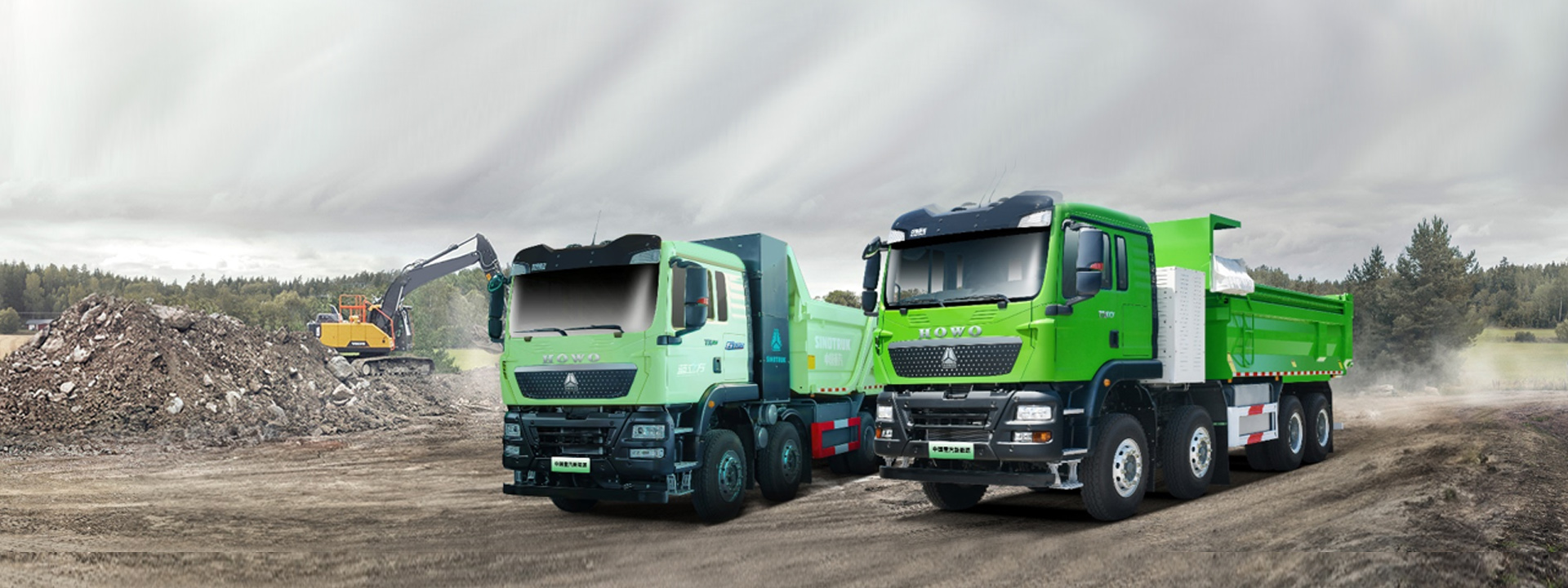
Adopting electric dump trucks reduces greenhouse gas emissions and lowers fuel costs, contributing to both environmental and economic goals. Operators can quantify benefits through telematics, tracking energy use per ton transported and optimizing fleet operations for maximum efficiency.
Future Outlook
The future of electric dump trucks will likely see wider adoption of fully electric models, advanced autonomy, and integrated fleet management systems. Technological innovation combined with regulatory pressure will continue to accelerate the shift toward sustainable, high-efficiency heavy-duty vehicles.
Conclusion
Electric dump trucks are revolutionizing the heavy-duty transport industry. Their integration of electrification, automation, and telematics improves operational efficiency, reduces environmental impact, and ensures long-term reliability. Operators who embrace these technologies are better positioned to meet the evolving demands of construction, mining, and infrastructure projects worldwide.
FAQ
1. Why are electric dump trucks gaining popularity?
They reduce fuel costs, lower emissions, and comply with stricter environmental regulations, making them ideal for modern heavy-duty operations.
2. How do electric dump trucks improve operational efficiency?
Through telematics, predictive maintenance, and route optimization, electric dump trucks enhance productivity and reduce downtime.
3. Can electric dump trucks operate in mining and construction environments?
Yes, they are engineered with reinforced chassis, heavy-duty suspension, and durable batteries to perform under harsh conditions.
4. Are hybrid dump trucks more practical than fully electric models?
Hybrid models are often more practical where charging infrastructure is limited, offering flexibility while reducing emissions.
5. What are the main challenges in deploying electric dump trucks?
Challenges include initial investment, limited charging infrastructure, regulatory differences, and maintenance demands in rough terrains.
Need Help Transitioning to Electric Dump Trucks?
If you want to modernize your fleet with electric or hybrid dump trucks, our experts are here to guide you. Contact us today for a personalized consultation and learn how electric dump trucks can improve efficiency, safety, and sustainability in your operations. Don’t wait—upgrade your fleet now to stay ahead in the heavy-duty transport industry.