
Introduction
Flatbed trailers have long been a cornerstone of logistics and transportation. Their open-deck design offers unmatched flexibility for carrying oversized or irregularly shaped cargo that standard enclosed trailers cannot accommodate. From construction materials and machinery to steel coils and containers, flatbed trailers ensure that businesses can move heavy loads efficiently and safely.
This article explores the design, applications, advantages, and best practices for using flatbed trailers, helping you make the right choice for your transport needs.
What Are Flatbed Trailers?
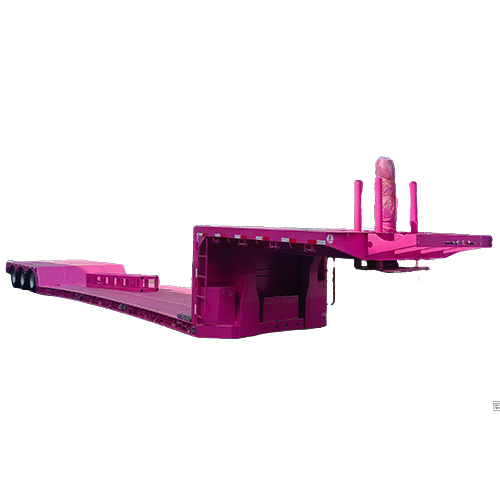
A flatbed trailer is a type of semi-trailer with a completely open deck — no sides, roof, or doors. This design allows for easy loading and unloading of cargo from any direction, whether by crane, forklift, or other machinery.
Flatbed trailers are widely used for transporting:
- Construction materials (steel beams, lumber, pipes)
- Heavy equipment and machinery
- Containers and modular units
- Oversized loads that exceed standard trailer dimensions
Their versatility makes them a vital tool in industries like construction, manufacturing, energy, and logistics.
Common Types of Flatbed Trailers
Flatbed trailers come in several configurations to meet different hauling requirements:
Standard Flatbed Trailer
The most common type, offering a flat loading surface, is ideal for general cargo transport.
Step Deck (Drop Deck) Trailer
Features a lower deck height behind the gooseneck, allowing taller cargo to fit under height restrictions.
Double Drop Trailer
Has two drops in deck height, creating a “well” for hauling extremely tall equipment or machinery.
Extendable Flatbed Trailer
Equipped with a sliding mechanism that extends the trailer length to accommodate longer loads like beams or wind turbine blades.
Lowboy Trailer
Specially designed for very heavy or tall equipment, featuring an ultra-low deck for stability and easier loading.
Each configuration serves a unique purpose, depending on the cargo dimensions and road regulations in your region.
Advantages of Flatbed Trailers
Flatbed trailers are highly valued for their flexibility and strength. Key benefits include:
- Versatility: Can carry various load shapes and sizes without dimensional constraints.
- Accessibility: Cargo can be loaded from any side, reducing loading time.
- Durability: Built with heavy-duty steel or aluminum frames to handle tough conditions.
- Efficiency: Perfect for large or combined loads, minimizing the number of trips required.
- Compatibility: Easily integrates with different tractors and hauling systems.
These features make flatbed trailers a cost-effective and reliable solution for businesses handling diverse freight.
Choosing the Right Flatbed Trailer
When selecting a flatbed trailer, consider the following factors to ensure safety and efficiency:
- Cargo Dimensions and Weight: Choose a trailer that supports your maximum load capacity.
- Loading and Unloading Requirements: Decide whether side or rear access is more convenient.
- Road Regulations: Check regional limits for weight, height, and load width.
- Material and Build Quality: Aluminum trailers are lighter, while steel ones offer higher strength.
- Axle Configuration: Impacts load distribution, balance, and road stability.
- Maintenance Accessibility: Trailers with easy inspection points reduce downtime.
Selecting the right model ensures smoother operations and a longer trailer lifespan.
Flatbed Trailer Safety Tips
Transporting heavy cargo requires strict safety compliance. Follow these best practices:
- Inspect tie-down straps, chains, and anchor points before each trip.
- Balance loads evenly to prevent tipping or axle stress.
- Use corner protectors to safeguard cargo edges.
- Avoid overloading — stay within manufacturer-rated capacity.
- Check tires, brakes, and lights regularly.
- Ensure drivers are trained in load securing and handling procedures.
Safety not only protects cargo but also prevents costly delays and accidents.
Industry Applications
Flatbed trailers serve multiple industries:
- Construction: Transporting steel, timber, and prefabricated structures.
- Manufacturing: Moving large machinery and raw materials.
- Energy Sector: Carrying wind turbine parts, pipes, and transformers.
- Agriculture: Hauling equipment, tractors, and bulk goods.
- Logistics: Intermodal transport, including containers and modular freight.
This broad adaptability explains why flatbed trailers remain a top choice for companies with varied transport needs.
Flatbed Trailer Maintenance Essentials
Routine care extends trailer life and boosts reliability:
- Check deck flooring for wear or cracks.
- Lubricate hinges, axles, and moving parts.
- Keep hydraulic and air systems clean.
- Tighten bolts and inspect welds periodically.
- Replace damaged tie-down points immediately.
Preventive maintenance minimizes downtime and ensures safety during every haul.

The Future of Flatbed Trailers
Innovation in flatbed trailer design continues to evolve. New models incorporate lightweight materials, smart sensors, and modular systems to improve efficiency. Automation and real-time tracking are also transforming logistics management, enabling operators to monitor loads, tire pressure, and performance remotely.
These technological upgrades ensure that flatbed trailers remain an integral part of modern, sustainable transportation networks.
Conclusion
Flatbed trailers stand out as one of the most versatile and reliable solutions for transporting heavy and oversized cargo. Whether used in construction, manufacturing, or logistics, they offer the strength, flexibility, and durability needed for demanding operations. By selecting the right type and maintaining it properly, you can ensure years of efficient, safe service.
FAQ
What is a flatbed trailer best used for?
Flatbed trailers are ideal for carrying large or irregularly shaped cargo that cannot fit in enclosed trailers.
How much can a flatbed trailer carry?
Capacity varies by model, typically between 20 to 50 tons, depending on configuration.
Are flatbed trailers safe for long-distance hauling?
Yes, when properly secured, they are suitable for both short and long hauls.
What’s the difference between a step deck and a flatbed trailer?
A step deck has two deck levels, allowing taller cargo to be transported legally under height restrictions.
How can I improve flatbed trailer longevity?
Perform regular inspections, lubricate parts, and protect the deck surface from corrosion and damage.