Introduction
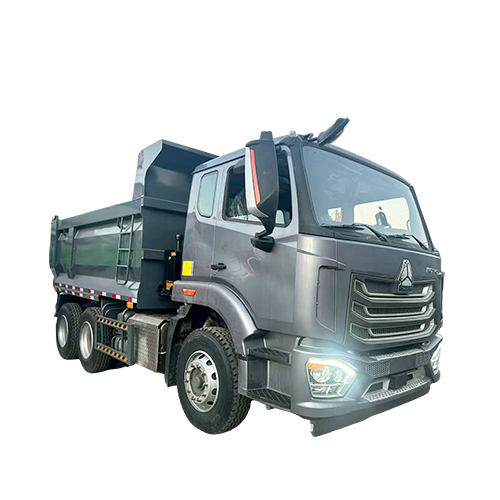
Despite growing discussions around alternative power sources, diesel-powered dump trucks remain the backbone of construction, mining, and large-scale earthmoving projects worldwide. Proven reliability, high torque output, and adaptability to harsh working conditions make diesel dump trucks the preferred choice for many operators.
This article provides a practical, experience-based overview of heavy-duty diesel dump trucks, focusing on performance characteristics, durability, real-world applications, and operational considerations that matter most on job sites.
Why Diesel Dump Trucks Still Dominate Heavy-Duty Work
Diesel dump trucks continue to lead the market because they deliver consistent power under heavy load, especially in environments where reliability matters more than experimental technology.
Key reasons include strong low-speed torque, simple refueling logistics, long service life, and the ability to operate in remote areas without dependency on charging infrastructure. For mining, large construction projects, and infrastructure development, diesel remains the most practical solution.
Engine Performance and Torque Characteristics
Diesel engines are specifically suited for heavy hauling due to their torque-focused performance. Unlike high-speed engines, diesel dump truck engines deliver strong pulling power at low RPM, which is essential for climbing slopes, moving full loads, and operating on uneven haul roads.
Modern heavy-duty diesel engines are engineered for continuous operation, allowing dump trucks to work long shifts with stable output and predictable fuel consumption.
Chassis and Structural Durability
The chassis is the foundation of any heavy-duty dump truck. Diesel dump trucks are built with reinforced frames designed to withstand repeated loading, dumping, and vibration.
High-strength steel frames, reinforced cross members, and optimized weight distribution help prevent fatigue and deformation over time. This structural durability is especially critical in mining and quarry environments where trucks operate under constant stress.
Axle Configuration and Load Distribution
Axle design plays a major role in how diesel dump trucks handle heavy payloads. Multi-axle configurations allow weight to be distributed evenly, improving stability and reducing stress on individual components.
Heavy-duty axles are designed to support high loads while maintaining traction on loose surfaces such as sand, gravel, or broken rock. Proper axle configuration directly affects safety, tire wear, and long-term reliability.
Suspension Systems for Rough Terrain
Construction sites and mining roads are rarely smooth. Diesel dump trucks rely on robust suspension systems to absorb shocks and maintain vehicle control under full load.
Leaf spring and reinforced suspension setups help stabilize the truck, protect the chassis, and improve driver handling. A well-designed suspension system reduces component wear and improves operational safety.
Dump Body Design and Material Handling
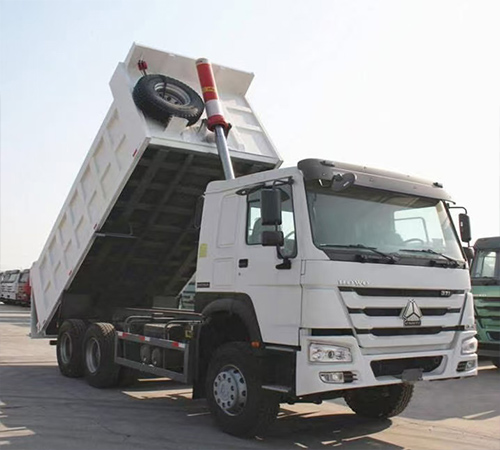
Dump body design directly affects productivity. Diesel dump trucks typically use wear-resistant steel bodies capable of handling abrasive materials like sand, gravel, and ore.
Reinforced floors and sidewalls extend service life, while well-designed hydraulic lifting systems ensure smooth and controlled dumping. Efficient unloading reduces cycle times and improves overall job site efficiency.
Cooling and Filtration in Harsh Environments
Diesel dump trucks often operate in dusty, high-temperature environments. Effective cooling and air filtration systems are essential to protect engines and maintain consistent performance.
Advanced filtration systems prevent dust ingress, while high-capacity cooling systems manage heat during long working hours. Proper cooling and filtration significantly reduce engine wear and extend maintenance intervals.

Typical Applications of Diesel Dump Trucks
Diesel dump trucks are widely used across multiple industries due to their versatility and durability.
| Application | Material Type | Operational Demand |
|---|---|---|
| Construction | Sand, gravel, soil | Frequent loading and short haul cycles |
| Mining | Ore, overburden | Continuous heavy-load hauling |
| Quarrying | Crushed stone | Abrasive materials and steep roads |
| Infrastructure | Earth and aggregates | Long working hours and reliability |
These applications demand consistent performance rather than experimental solutions, reinforcing the relevance of diesel-powered equipment.
Maintenance and Long-Term Reliability
Maintenance remains a key advantage of diesel dump trucks. Mature engine technology, widely available parts, and standardized service procedures make long-term operation predictable.
Routine inspections of engines, axles, suspension, and hydraulic systems help prevent unexpected downtime. When properly maintained, diesel dump trucks deliver long service life even under extreme working conditions.
Operational Efficiency and Cost Control
Operational efficiency is influenced by payload management, driving practices, and maintenance discipline. Diesel dump trucks offer stable performance, allowing operators to plan haul cycles accurately and optimize productivity.
Efficient fuel use, durable components, and predictable service intervals contribute to long-term operational stability, which is critical for large-scale projects.
Conclusion
Diesel dump trucks continue to play a vital role in heavy-duty material transport. Their proven performance, structural durability, and adaptability to harsh environments make them indispensable for construction, mining, and infrastructure projects.
While new technologies attract attention, diesel-powered dump trucks remain the most reliable and practical choice for operations that demand strength, endurance, and consistent output.
FAQ
Why are diesel dump trucks still widely used?
They offer proven reliability, high torque, and the ability to operate in remote and harsh environments.
Are diesel dump trucks suitable for mining operations?
Yes, they are designed for continuous heavy-load hauling and rough terrain typical of mining sites.
How long can a diesel dump truck operate daily?
With proper maintenance, diesel dump trucks can operate for long shifts with stable performance.
What materials are diesel dump trucks best suited for?
They are ideal for sand, gravel, soil, crushed stone, and mining materials.
Do diesel dump trucks require complex maintenance?
Maintenance is well understood, standardized, and supported by widely available parts.