Introduction
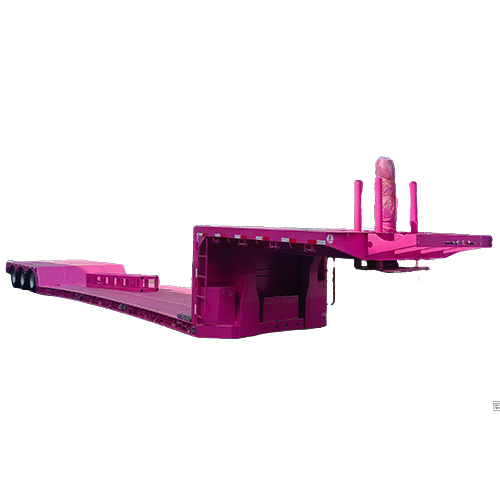
Transporting heavy machinery and oversized loads requires more than just a standard trailer. Low-bed trailers, also called lowboy trailers, are specifically designed to carry tall, heavy, or oversized cargo safely and efficiently. Their ultra-low deck height reduces the center of gravity, improving stability while enabling taller loads to comply with road height restrictions.
This article provides a comprehensive overview of low-bed trailers, including types, specifications, industry applications, safety tips, and maintenance practices for ensuring optimal performance and durability.
What Are Low-Bed Trailers?
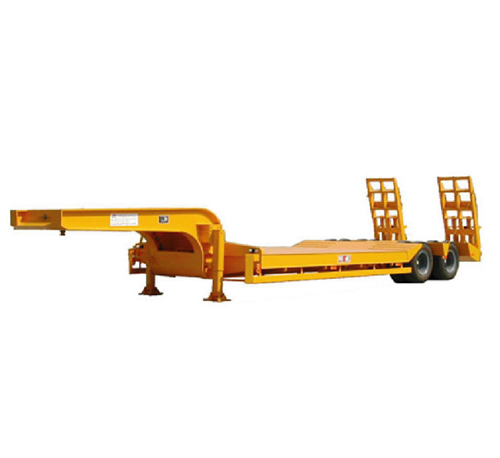
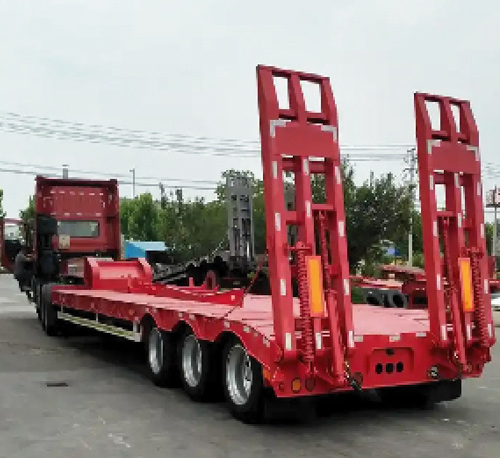
Low-bed trailers are semi-trailers with an extremely low deck height, often just a few feet above the ground. This design allows for the transportation of heavy equipment such as bulldozers, excavators, industrial machinery, and other oversized cargo.
Key benefits of low-bed trailers:
- Improved stability due to a lower center of gravity.
- Ability to transport taller cargo without violating road height limits.
- Easier loading and unloading for heavy equipment using ramps or cranes.
Types of Low-Bed Trailers
Standard Lowboy Trailer
The most common low-bed type, suitable for general heavy-duty equipment transport.
Extendable Low-Bed Trailer
Features a telescoping deck that can extend to accommodate longer equipment such as cranes or construction beams.
Hydraulic Detachable Gooseneck (HDG) Trailer
Allows the front section to detach, making it easier to drive equipment onto the trailer.
Multi-Axle Low-Bed Trailer
Designed for extremely heavy loads, spreading weight over multiple axles to meet legal road limits and improve safety.
Double Drop Low-Bed Trailer
Has two drops in deck height, providing an extra-low loading surface for very tall or oversized equipment.
Each type is designed to meet specific transport requirements, ensuring safe and efficient delivery of heavy machinery.
Advantages of Low-Bed Trailers
- Heavy Load Capacity: Can carry machinery that would be unsafe on standard trailers.
- Stability: Low deck height prevents tipping during transit.
- Height Compliance: Allows taller loads to be transported legally without permits.
- Versatility: Suitable for construction, mining, and industrial equipment transport.
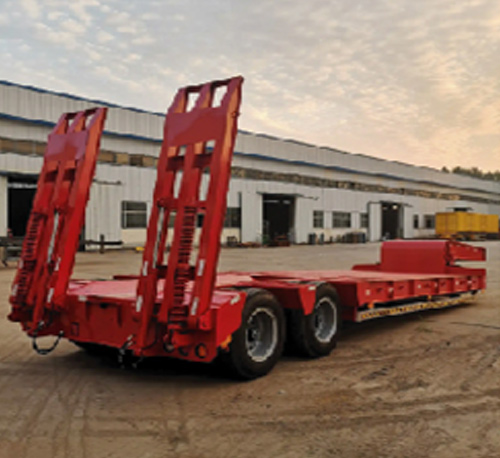
- Ease of Loading: Detachable ramps or goosenecks simplify loading/unloading.
Choosing the Right Low-Bed Trailer
Factors to consider when selecting a low-bed trailer:
- Load Weight and Dimensions: Ensure the trailer can handle your equipment.
- Axle Configuration: More axles provide better weight distribution and road compliance.
- Deck Length and Width: Match trailer size to cargo dimensions.
- Detachable Gooseneck vs Fixed Deck: Decide based on loading ease and type of equipment.
- Tire and Suspension Type: Critical for stability and protecting equipment during transit.
- Material and Build Quality: Steel trailers are stronger; aluminum trailers are lighter for better fuel efficiency.
Safety Tips for Low-Bed Trailer Transport
- Secure equipment with appropriate chains, binders, and straps.
- Check weight distribution to avoid overloading axles.
- Inspect ramps and goosenecks before loading heavy equipment.
- Ensure all tie-down points are undamaged and rated for load capacity.
- Use wheel chocks and blocks to prevent movement during transport.
- Train operators on proper loading and unloading procedures.
Industry Applications
- Construction: Transport bulldozers, excavators, cranes, and loaders.
- Mining: Move heavy drills, trucks, and earthmoving equipment safely.
- Manufacturing: Deliver oversized industrial machinery to factories.
- Energy Sector: Carry wind turbines, transformers, and generators.
- Agriculture: Transport tractors, harvesters, and farm equipment.
Maintenance Best Practices
Proper care ensures long-lasting performance and safety:
- Regularly inspect axles, suspension, and hydraulic components.
- Check tires, brakes, and lights before every trip.
- Keep ramps and goosenecks lubricated and free of debris.
- Examine welds and deck surfaces for cracks or corrosion.
- Replace worn-out chains, straps, and binders immediately.
The Future of Low-Bed Trailers
Innovation is driving safer and more efficient transport:
- Lightweight Materials: Aluminum or composite frames reduce weight while maintaining strength.
- Smart Trailer Technology: Sensors monitor load, tire pressure, and trailer condition in real time.
- Automation: Self-leveling or hydraulic assist systems for easier loading and unloading.
- Sustainable Transport: Integration of hybrid or electric tractors reduces environmental impact.
Conclusion
Low-bed trailers are essential for transporting heavy, oversized, or specialized equipment. By understanding types, specifications, and best practices, you can ensure safety, compliance, and efficiency for every haul. Proper selection and maintenance of low-bed trailers protect valuable cargo and improve operational reliability.
FAQ
What is a low-bed trailer used for?
Transporting tall, heavy, or oversized machinery and equipment safely.
How low is a typical low-bed trailer deck?
Decks are often just a few feet above the ground, providing a low center of gravity.
Are extendable low-bed trailers necessary?
Yes, for transporting long equipment that cannot fit on standard trailers.
Can low-bed trailers handle extremely heavy loads?
Multi-axle low-bed trailers are specifically designed to distribute weight and carry very heavy equipment.
How should I secure equipment on a low-bed trailer?
Use chains, binders, straps, and wheel chocks rated for the load’s weight.