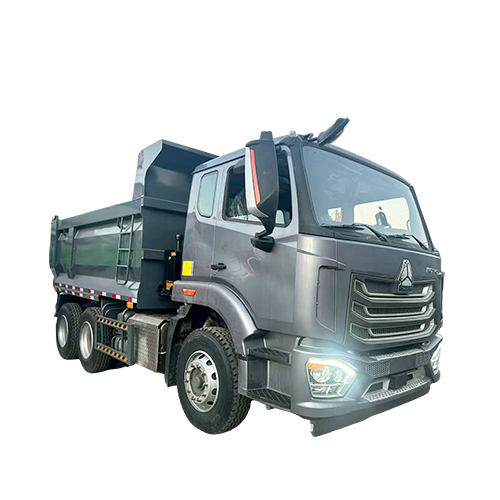

Introduction
In modern logistics, construction, and heavy-duty transport, semi-trailers play a crucial role in moving goods efficiently and safely. For buyers, selecting the right semi-trailer affects operational efficiency, fleet management, and total cost of ownership. With numerous configurations and options available, understanding the types, specifications, and industry applications is crucial.
This guide explores semi-trailer types, their configurations, technical specifications, and industry use cases, helping buyers make informed decisions when planning or expanding their fleets.
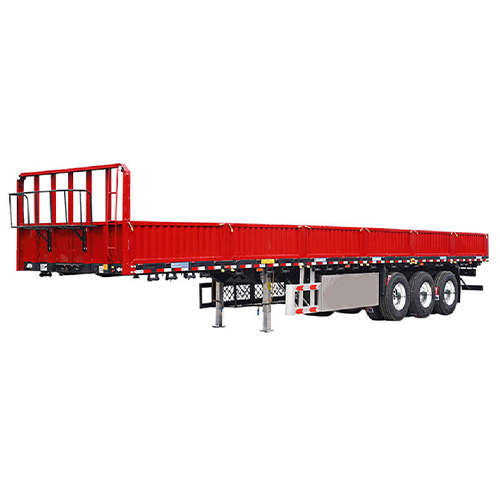
Understanding Semi-Trailer Types
Semi-trailers come in various configurations designed to meet specific transport requirements:
Flatbed Trailers – Ideal for oversized or irregular cargo that cannot be enclosed and commonly used in construction and machinery transport.
Low-Bed Trailers – Designed for transporting heavy equipment such as excavators, cranes, or industrial machinery. The low deck height improves stability and allows for taller loads.
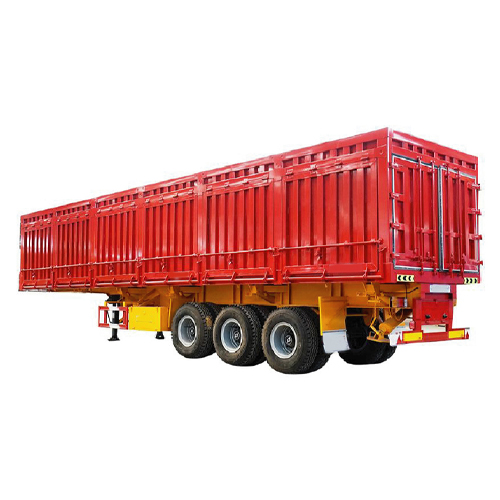
Box-Type Trailers – Fully enclosed trailers for general freight, protecting cargo from weather and theft. Popular in logistics, food distribution, and parcel delivery.
Container Skeleton Trailers – Designed to carry ISO containers efficiently over long distances, widely used in international shipping and intermodal transport.
Specialized Trailers – Include oil tankers, cement tankers, and specialized equipment transport trailers. Each type is engineered for specific cargo requirements and safety regulations.
Correct semi-trailer selection ensures that your fleet can handle intended loads efficiently while complying with local regulations.
Key Technical Specifications
When evaluating semi-trailers, consider these specifications to optimize operational efficiency and safety:
| Specification Category | Why It Matters | Buyer Tip |
|---|---|---|
| Payload Capacity | Determines how much cargo can be transported per trip | Ensure it matches your typical and peak shipment volumes |
| Axle Configuration | Impacts weight distribution and road compliance | Multi-axle trailers increase capacity and reduce road wear |
| Trailer Length & Width | Determines cargo fit and site accessibility | Verify local transport regulations for dimensions |
| Suspension System | Affects ride quality and cargo protection | Air suspension improves load stability and reduces damage |
| Materials & Build Quality | Influences durability and maintenance | Choose high-strength steel or aluminum for longevity |
| Safety Features | Compliance with industry regulations | Include reflectors, braking systems, and underride guards |
| Telematics & Fleet Integration | Tracks performance, routes, and maintenance | Compatible systems improve fleet management |
Focusing on these specifications allows B2B buyers to select trailers that minimize downtime, maximize payload, and enhance fleet efficiency.
Industry Applications
Different industries demand different semi-trailer solutions:
- Construction & Infrastructure – Flatbeds and low-bed trailers are commonly used to transport building materials and heavy machinery.
- Mining & Raw Material Transport – Specialized trailers such as dump trailers or tankers are required for rocks, sand, and chemicals.
- Logistics & Freight – Box-type and container trailers facilitate long-distance transport with security and weather protection.
- Oil, Gas, and Chemicals – Tank trailers are engineered to safely transport liquid or hazardous cargo.
Understanding the specific industry requirements is critical for proper semi-trailer selection.
Customization Options
Customization enhances trailer performance and operational efficiency:
- Reinforced decks for heavy loads
- Adjustable suspension for varying terrain
- Telemetry integration for monitoring cargo and vehicle performance
- Specialty coatings or liners for corrosive or abrasive materials
- Modular designs for multiple cargo types
Custom-built trailers can improve safety, reduce operational costs, and increase fleet versatility.
Case Example: Optimizing Logistics Operations
A logistics company transporting containerized goods faced delays due to mismatched trailer sizes and poor load distribution. After consulting a manufacturer, they adopted container skeleton trailers with optimized axle spacing and telematics integration.
Results:
- 20% increase in shipments per day
- Reduced maintenance due to improved load distribution
- Enhanced tracking and fleet management efficiency
This example highlights the tangible benefits of proper semi-trailer selection for B2B operations.
Future Trends in Semi-Trailer Design
Semi-trailers are evolving with new technology:
- Lightweight materials reduce fuel consumption and increase payload
- Telematics & Smart Sensors improve route optimization and maintenance
- Electric & Hybrid Trailers for urban or low-emission zones
- Automation & Safety Systems, including lane assist and anti-roll features
- Sustainability with recyclable materials and energy-efficient manufacturing
Staying informed about these trends ensures your fleet remains competitive and future-proof.
Conclusion
Selecting the right semi-trailer requires a balance of type, specifications, industry needs, and potential customizations. Buyers who understand these factors can improve fleet efficiency, reduce operational costs, and ensure safe transport of cargo. Partnering with a knowledgeable manufacturer or supplier further ensures the selected trailers meet regulatory and operational standards.
FAQ
How do I choose the right trailer type for my business?
Assess your cargo type, weight, volume, and operational environment to match it with the appropriate trailer.
What are the benefits of low-bed trailers?
They allow for the safe transport of tall, heavy machinery with improved stability and compliance with height restrictions.
Can semi-trailers be customized for multiple cargo types?
Yes. Modular designs, adjustable suspensions, and specialized beds allow multi-purpose usage.
How important are telematics systems for trailers?
Critical for monitoring fleet performance, maintenance scheduling, and route optimization.
How long does a commercial semi-trailer typically last?
With proper maintenance, high-quality trailers last 8–15 years depending on load intensity and operational conditions.