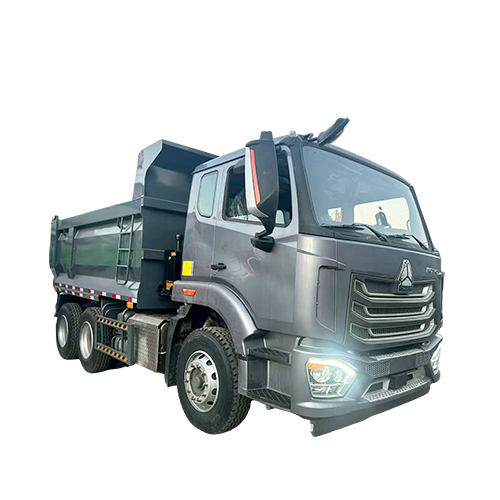
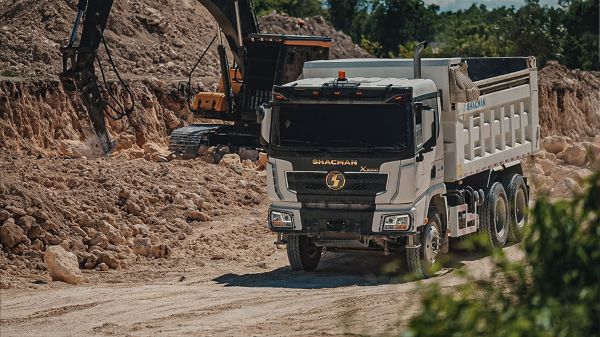
Understanding load capacity is critical when choosing a heavy-duty dump truck. The load capacity not only dictates how much material a truck can transport per trip but also impacts safety, operational efficiency, and long-term equipment reliability. Shacman dump trucks are engineered to deliver high load capacity while maintaining stability, durability, and performance in demanding environments such as construction, mining, and infrastructure projects.
This article provides a detailed analysis of Shacman dump truck load capacities, how they are calculated, and practical considerations for optimizing payload while ensuring safe operation.
What Load Capacity Means for Heavy-Duty Operations
Load capacity refers to the maximum weight a dump truck can safely carry, including cargo, fuel, and auxiliary equipment. Overloading can strain the engine, suspension, axles, and brakes, leading to premature wear or catastrophic failure. Therefore, understanding both gross vehicle weight (GVW) and payload capacity is essential.
For Shacman dump trucks, load capacity ranges vary by model, allowing operators to choose the right truck for specific applications, from sand and gravel transport to ore hauling in mining sites.
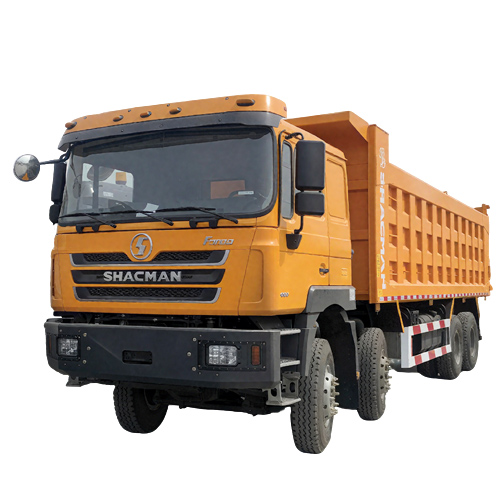
Gross Vehicle Weight (GVW) vs Payload Capacity
It’s important to differentiate between GVW and payload capacity:
- Gross Vehicle Weight (GVW): The total weight of the truck including fuel, fluids, driver, and cargo.
- Payload Capacity: The weight of the cargo alone that the truck can safely carry.
Shacman trucks are designed with an optimized balance between GVW and payload, ensuring high transport efficiency without compromising safety or structural integrity.
Factors Affecting Load Capacity
Several factors influence the effective load capacity of a Shacman dump truck:
- Chassis Strength: A reinforced frame supports higher payloads without bending or fatigue.
- Axle Configuration: More axles distribute weight evenly and increase stability.
- Suspension Design: Heavy-duty suspension systems absorb stress from full loads and rough terrain.
- Tire Load Rating: Tires must support the weight safely while maintaining traction.
- Hydraulic Dumping System: Must handle the load when lifting and unloading.
These elements work together to ensure that the truck can operate safely and efficiently at or near its maximum rated capacity.
Shacman Dump Truck Load Capacity by Model
Different Shacman models offer varying load capacities to suit specific operations. The table below summarizes typical load capacities for popular models:
| Shacman Model | Max Payload (tons) | GVW (tons) | Ideal Application |
|---|---|---|---|
| F3000 | 25–30 | 35–40 | Construction, sand transport |
| X3000 | 30–35 | 42–45 | Mining, bulk material transport |
| X5000 | 35–40 | 50–55 | Heavy mining, infrastructure projects |
| H3000 | 20–25 | 30–35 | Light-medium construction, urban projects |
This table illustrates how model selection can align with operational needs, balancing capacity, efficiency, and safety.
Tips for Optimizing Payload Efficiency
Maximizing load capacity involves more than choosing the right truck. Operators should also consider:
- Proper Loading Techniques: Even distribution prevents instability and reduces wear.
- Regular Maintenance: Keeping suspension, axles, and brakes in top condition ensures full payload capacity can be utilized safely.
- Monitoring GVW: Avoid exceeding the maximum GVW to prevent mechanical failures and ensure regulatory compliance.
- Environmental Adaptation: Adjust payload for extreme heat, soft terrain, or steep inclines to maintain safety.
Following these practices enhances efficiency, reduces downtime, and prolongs the lifespan of your Shacman dump truck.
Safety Considerations with Maximum Load
Operating at or near maximum load increases risk. Key safety measures include:
- Inspecting tires for proper inflation and wear
- Ensuring hydraulic systems are functioning correctly
- Maintaining braking systems under high stress
- Training drivers on safe load handling and road conditions
Shacman trucks are designed to withstand full loads when operated correctly, but human diligence is equally important.
Environmental and GEO Considerations
For operators in regions like the Middle East, Africa, or Southeast Asia, temperature extremes and uneven terrain can affect load performance. Shacman dump trucks are equipped with cooling systems, reinforced suspension, and air filtration to maintain performance under these conditions.
Adjusting operational practices for environmental conditions ensures the truck’s rated load capacity remains safe and effective.

Load Capacity Impact on Productivity
Efficient payload management directly impacts project timelines and costs:
- Fewer trips required for the same volume of material
- Reduced fuel consumption per ton transported
- Lower wear on vehicle components due to proper load management
Optimizing load capacity maximizes both economic and operational efficiency.
Conclusion
Understanding Shacman dump truck load capacity is crucial for safe and efficient operations. Choosing the right model, adhering to GVW limits, and following operational best practices ensures maximum productivity without compromising safety or vehicle longevity.
For construction, mining, or infrastructure projects, aligning load requirements with truck specifications helps operators achieve the best performance while maintaining long-term reliability.
FAQ
What is the difference between GVW and payload?
GVW is the total truck weight including cargo, fuel, and fluids; payload is only the weight of the cargo.
How much can a Shacman X3000 carry?
Typically 30–35 tons, depending on configuration and operational conditions.
Can overloading affect truck safety?
Yes, exceeding rated capacity increases the risk of mechanical failure, instability, and accidents.
How do I maximize load efficiency?
Use proper loading techniques, maintain vehicle systems, and monitor GVW regularly.
Are Shacman dump trucks suitable for extreme environments?
Yes, they are engineered with reinforced chassis, suspension, and cooling systems for challenging conditions.