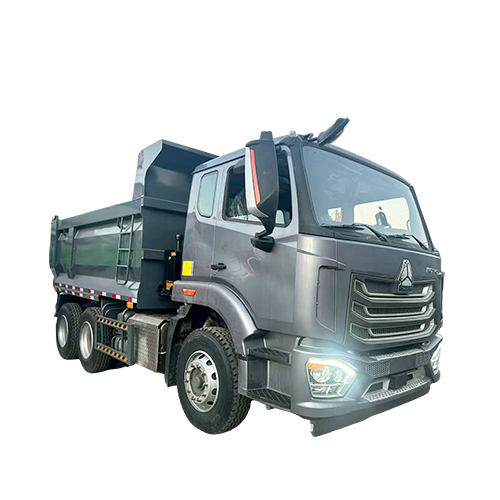
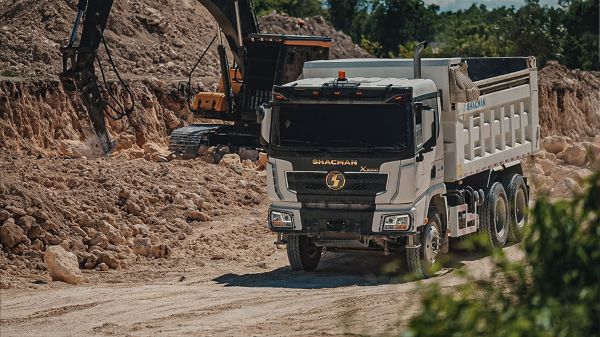
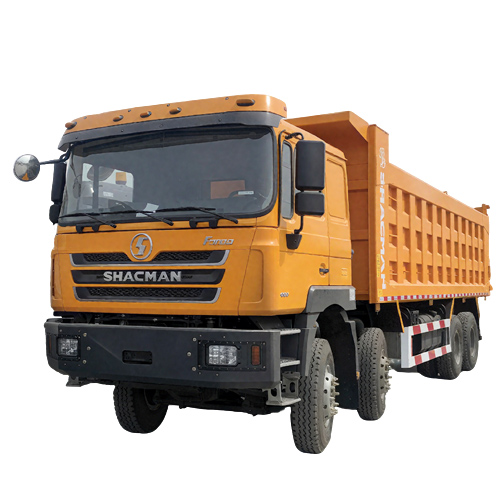
In heavy-duty industries such as construction, mining, quarrying, and large-scale infrastructure development, equipment performance is not a secondary consideration—it is the foundation of operational success. Dump trucks must deliver consistent power, structural reliability, and adaptability under extreme workloads and harsh environments. Any weakness in performance can result in downtime, safety risks, and escalating operational costs.
This article provides an in-depth analysis of Shacman dump truck performance for heavy-duty jobs, focusing on real-world operational requirements rather than marketing claims. The goal is to help buyers, fleet managers, and project planners evaluate whether this truck platform aligns with demanding working conditions and long-term operational goals.
Understanding Heavy-Duty Job Requirements
Heavy-duty jobs place continuous stress on vehicles across multiple dimensions. These applications typically involve long working hours, repetitive loading and dumping cycles, uneven terrain, and high payload demands.
Performance in this context means the ability to sustain output without mechanical degradation, maintain safety under load, and operate efficiently despite environmental challenges. Shacman dump trucks are designed with these realities in mind, rather than for light or intermittent commercial use.
Engine Output and Low-Speed Torque Performance
In heavy-duty transport, torque matters more than peak horsepower. Shacman dump trucks are equipped with high-displacement diesel engines engineered to deliver strong torque at low and medium RPM ranges.
This torque-focused design improves performance during uphill hauling, off-road movement, and fully loaded starts. It allows the truck to move heavy materials smoothly without excessive engine strain, reducing fuel inefficiency and mechanical wear over time.
According to performance data published by major heavy truck engine manufacturers, low-speed torque efficiency is one of the strongest predictors of productivity in construction and mining environments, where frequent stops and variable loads are common.
Transmission Matching and Power Delivery Stability
Engine power must be effectively transmitted to the wheels to deliver usable performance. Shacman dump trucks use heavy-duty transmissions specifically calibrated for high-load conditions.
Gear ratios are optimized to balance pulling force and speed control, ensuring smooth power delivery even under maximum payload. This reduces driveline shock, improves driver control, and extends the service life of drivetrain components.
Stable power delivery is particularly important when operating on soft ground, loose aggregates, or uneven job sites where traction conditions change constantly.
Chassis Design and Frame Strength
The chassis is the backbone of any heavy-duty dump truck. Shacman dump trucks feature reinforced frame structures designed to resist bending, torsion, and fatigue caused by uneven loading and repeated dumping cycles.
High-strength steel frames and strategically reinforced stress points help maintain structural integrity over long service periods. This structural durability reduces the risk of frame deformation, which can negatively affect alignment, handling, and overall safety.
For operators managing long-term projects, chassis strength directly influences vehicle lifespan and residual value.
Axle Configuration and Load-Bearing Capability
Axles play a critical role in determining how effectively a dump truck handles heavy loads. Shacman dump trucks are equipped with heavy-duty axles engineered for high load-bearing capacity and durability.
The axle configuration supports even weight distribution across the vehicle, improving traction and stability under full load. This is especially important in off-road or partially paved environments where uneven surfaces can amplify mechanical stress.
Reliable axle performance also reduces tire wear and improves braking effectiveness, contributing to overall operational safety.
Suspension System and Driving Stability
Heavy loads combined with rough terrain place significant demands on the suspension system. Shacman dump trucks utilize reinforced suspension components designed to absorb shock while maintaining vehicle balance.
A stable suspension system improves driver comfort, reduces vibration-related wear, and helps maintain control during transport and dumping operations. This stability is essential when operating on slopes, uneven ground, or temporary construction roads.
Consistent suspension performance also protects the chassis and cargo body from premature fatigue.
Dump Body Structure and Hydraulic System Reliability
The dump body must withstand repeated exposure to abrasive materials such as sand, gravel, and crushed stone. Shacman dump trucks feature reinforced dump bodies built from wear-resistant materials to extend service life.
The hydraulic lifting system is engineered for smooth and controlled dumping, even under full load. Reliable hydraulic performance minimizes the risk of tipping instability, uneven unloading, or system failure during critical operations.
For heavy-duty jobs with high cycle frequency, hydraulic reliability is a key factor in maintaining productivity.
Performance in Harsh Environmental Conditions
Heavy-duty operations often take place in extreme environments, including high temperatures, dusty sites, and remote locations. Shacman dump trucks are designed with enhanced cooling systems to manage engine and transmission heat during prolonged operation.
Advanced air filtration systems protect internal components from dust and debris, which is particularly important in mining and quarry applications. According to industry maintenance studies, effective filtration can significantly extend engine service intervals in high-dust environments.
These features help ensure consistent performance regardless of environmental challenges.
Fuel Efficiency Under Heavy Load Conditions
While fuel consumption varies by application, heavy-duty dump trucks must maintain reasonable efficiency under load to control operating costs. Shacman dump truck engines are tuned to balance power output with fuel efficiency during real working conditions.
Efficient combustion and optimized power delivery reduce unnecessary fuel burn during idling, climbing, and stop-start cycles. Over long project timelines, this efficiency contributes to more predictable operating expenses.
Maintenance Accessibility and Long-Term Reliability
Ease of maintenance is often overlooked during procurement but becomes critical during daily operation. Shacman dump trucks are designed with accessible service points and standardized components.
This design approach simplifies routine inspections and repairs, reducing downtime and labor requirements. Durable components and predictable maintenance schedules improve fleet availability and support long-term operational planning.
Performance Comparison Overview
The table below summarizes how Shacman dump truck performance aligns with common heavy-duty operational requirements.
| Performance Area | Heavy-Duty Job Expectation | Shacman Dump Truck Capability |
|---|---|---|
| Engine Torque | Strong pulling power under load | High low-speed torque output |
| Frame Strength | Resistance to deformation | Reinforced heavy-duty chassis |
| Axle Durability | Sustained load support | Heavy-duty axle configuration |
| Suspension Stability | Control on rough terrain | Reinforced suspension system |
| Dumping Reliability | Safe, smooth unloading | Robust hydraulic system |
| Environmental Adaptability | Operation in dust and heat | Enhanced cooling and filtration |
| Maintenance Efficiency | Reduced downtime | Accessible service design |

Why Shacman Dump Truck Performance Matters in Practice
In real-world heavy-duty operations, performance directly affects scheduling, labor efficiency, and project risk. Trucks that cannot maintain consistent output often become bottlenecks in material transport workflows.
By focusing on durability, power stability, and environmental adaptability, Shacman dump trucks support continuous operation in demanding applications. This makes them a practical option for operators seeking dependable performance rather than short-term gains.
Conclusion
Heavy-duty jobs demand equipment that performs reliably under pressure. Shacman dump truck performance is built around real operational requirements, including strong torque delivery, structural durability, stable load handling, and adaptability to harsh environments.
For organizations involved in construction, mining, and large-scale material transport, choosing a dump truck with proven heavy-duty performance is essential. Shacman dump trucks offer a performance-oriented solution that supports productivity, safety, and long-term operational efficiency.
FAQ
What makes a dump truck suitable for heavy-duty jobs?
Strong low-speed torque, durable chassis construction, reliable hydraulics, and environmental adaptability are key factors.
How does Shacman dump truck performance compare in harsh environments?
Enhanced cooling and filtration systems support stable operation in dusty and high-temperature conditions.
Is the Shacman dump truck designed for long working hours?
Yes, its powertrain and structural components are engineered for continuous heavy-load operation.
How important is chassis strength in heavy-duty dump trucks?
Chassis strength directly affects durability, safety, and vehicle lifespan under repetitive stress.
Can Shacman dump trucks support long-term fleet operations?
Their durability, maintenance accessibility, and consistent performance make them suitable for long-term use.