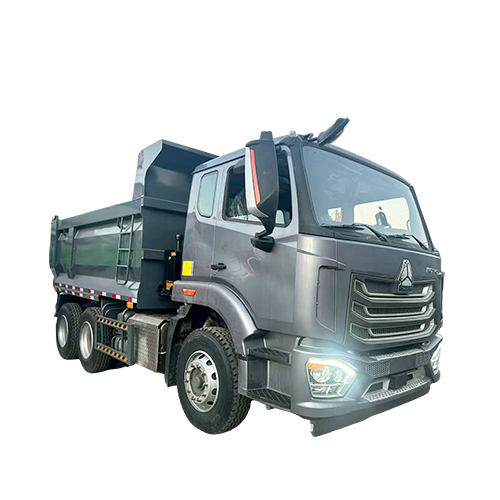

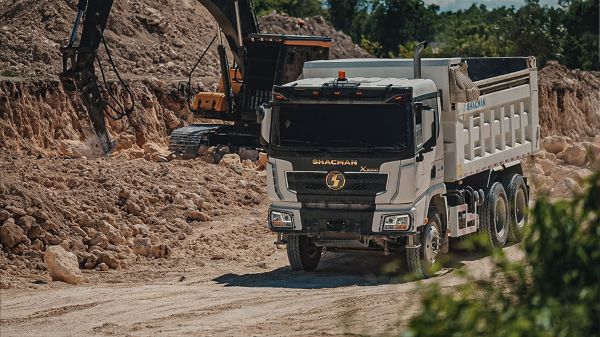
When selecting a heavy-duty dump truck, specifications are more than technical numbers on a datasheet. They define how the truck performs under load, how reliably it operates on demanding job sites, and how well it integrates into long-term construction or mining projects. Understanding specifications in a practical context helps buyers avoid mismatches between equipment capability and real-world requirements.
This article provides a detailed breakdown of Shacman dump truck specifications, explaining what each specification means in actual operation and why it matters for heavy-duty transport tasks.
Engine Specifications and What They Mean in Practice
The engine is the core of dump truck performance. Shacman dump trucks are typically equipped with large-displacement diesel engines designed for sustained heavy-load operation rather than short bursts of power.
Key engine specifications include displacement, rated power, and maximum torque. While horsepower figures often attract attention, torque output at low RPM is far more critical for hauling heavy materials, climbing grades, and operating on unpaved surfaces.
Industry engine performance data shows that dump trucks working in construction and mining environments spend most of their operating time in low to mid RPM ranges. Shacman engine specifications are optimized to deliver usable power in these conditions, supporting smooth starts and stable hauling under load.
Transmission Specifications and Gear Ratio Design
Transmission specifications determine how effectively engine power is delivered to the wheels. Shacman dump trucks use heavy-duty manual or automated manual transmissions engineered to handle high torque loads.
Gear ratio design plays a crucial role in balancing pulling power and speed control. Lower gears provide the force needed for starting under full load, while higher gears support efficient cruising on haul roads.
Well-matched transmission specifications reduce drivetrain stress, improve fuel efficiency under load, and enhance overall vehicle control in variable terrain.
Chassis and Frame Specifications
The chassis specification defines the structural backbone of a dump truck. Shacman dump trucks feature reinforced ladder-type frames constructed from high-strength steel.
Frame thickness, cross-member spacing, and reinforcement points are engineered to resist bending and torsional forces caused by uneven loads and repeated dumping cycles. These specifications directly affect durability, alignment stability, and long-term reliability.
For heavy-duty applications, chassis strength is often a more decisive factor than engine output alone.
Axle Specifications and Load Distribution
Axle specifications determine how much weight a dump truck can safely carry and how that weight is distributed. Shacman dump trucks are equipped with heavy-duty front and rear axles designed for high load-bearing capacity.
Axle ratios are selected to complement engine and transmission specifications, ensuring balanced traction and efficient power transfer. Proper axle configuration improves stability, reduces tire wear, and enhances braking performance.
In off-road or partially paved environments, robust axle specifications are essential for maintaining consistent performance.
Suspension Specifications and Ride Stability
Suspension specifications influence both vehicle control and component longevity. Shacman dump trucks typically use reinforced leaf spring or heavy-duty suspension systems tailored for load stability.
Spring capacity, shock absorber design, and mounting geometry all contribute to how the truck handles uneven terrain and dynamic loads. A properly specified suspension system reduces vibration, protects the chassis, and improves driver comfort during long shifts.
Stable suspension performance also minimizes material shifting inside the dump body during transport.
Dump Body Specifications and Material Handling
The dump body is where material handling actually happens. Shacman dump truck dump bodies are built with reinforced steel panels designed to withstand abrasion from sand, gravel, and crushed stone.
Key specifications include body thickness, volume capacity, and structural reinforcement. These factors influence payload efficiency, dumping stability, and service life.
Hydraulic system specifications, such as cylinder capacity and lifting angle, ensure controlled and reliable unloading even under full load.
Brake System Specifications and Safety Performance
Brake system specifications are critical for safety, especially when operating on slopes or carrying maximum payloads. Shacman dump trucks are equipped with heavy-duty braking systems designed to provide consistent stopping power.
Specifications often include air brake systems, auxiliary braking support, and reinforced brake components. These features help maintain control during downhill hauling and reduce brake fade during extended use.
Reliable braking performance is essential for protecting operators, cargo, and surrounding equipment.
Cooling and Filtration System Specifications
Heavy-duty dump trucks generate significant heat and operate in dusty environments. Shacman dump truck specifications include enhanced cooling systems and advanced air filtration.
Radiator capacity, airflow design, and filtration efficiency all contribute to stable engine operation. According to maintenance studies in mining applications, effective cooling and filtration significantly extend engine life and reduce unscheduled downtime.
These specifications are especially important for operations in high-temperature or high-dust regions.
Specification Overview Table
The table below summarizes key Shacman dump truck specifications and their practical impact.
| Specification Category | Typical Focus | Practical Impact |
|---|---|---|
| Engine | High torque output | Stable hauling under heavy load |
| Transmission | Heavy-duty gear ratios | Smooth power delivery |
| Chassis | Reinforced steel frame | Long-term structural durability |
| Axles | High load capacity | Improved stability and traction |
| Suspension | Reinforced components | Better control on rough terrain |
| Dump Body | Wear-resistant structure | Efficient material handling |
| Braking System | Heavy-duty braking | Safer operation under load |
| Cooling & Filtration | Enhanced protection | Reliable performance in harsh environments |
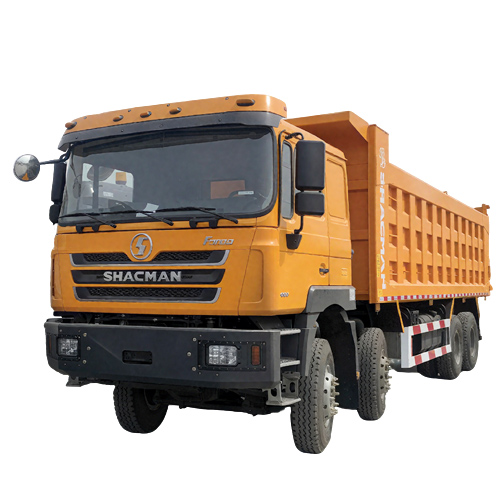
How Specifications Influence Long-Term Performance
Specifications are not isolated data points. They work together to determine how a dump truck performs over thousands of operating hours.
Well-balanced specifications reduce mechanical stress, improve fuel efficiency under load, and support predictable maintenance schedules. For long-term projects, this translates into higher equipment availability and more reliable planning.
Shacman dump truck specifications are designed with this systems-based approach, focusing on compatibility and durability rather than isolated peak values.
Conclusion
Understanding Shacman dump truck specifications helps buyers move beyond surface-level comparisons and evaluate real operational capability. Engine torque characteristics, drivetrain matching, structural strength, and environmental adaptability all play critical roles in heavy-duty performance.
For construction, mining, and infrastructure applications, selecting a dump truck with well-engineered specifications supports productivity, safety, and long-term operational efficiency. Shacman dump trucks offer a specification profile designed to meet the practical demands of heavy-duty material transport.
FAQ
What specifications matter most in a heavy-duty dump truck?
Engine torque, chassis strength, axle capacity, and hydraulic reliability are among the most important.
Are Shacman dump truck specifications suitable for off-road use?
Yes, they are designed to support heavy loads on uneven and unpaved terrain.
How do specifications affect dump truck lifespan?
Balanced specifications reduce stress on components and extend service life.
Why is torque more important than horsepower in dump trucks?
Torque determines pulling ability under load, which is critical for heavy hauling.
Do specifications impact maintenance requirements?
Yes, well-matched specifications improve reliability and simplify maintenance planning.