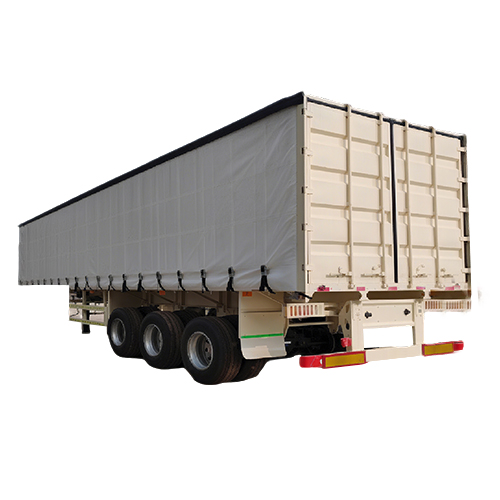
A side curtain semi trailer gives logistics fleets a practical middle ground between an open flatbed and a fully enclosed cargo box. It protects palletized cargo from weather while keeping side access for forklifts, which can reduce loading time at warehouses, distribution yards, and cross-dock operations. For buyers moving packaged building materials, industrial supplies, furniture, consumer goods, or export cargo, the side curtain semi trailer can improve loading flexibility without forcing every shipment through rear doors.
Haiyu supplies side curtain semi trailer configurations for buyers who need a practical transport body rather than a generic shell. The right side curtain semi trailer should match route length, cargo sensitivity, loading equipment, side access needs, and the climate in the destination market.
Why Side Curtain Design Matters
The main value of a side curtain semi trailer is not only the curtain itself. It is the combination of frame, roof structure, curtain rail, locking system, floor strength, and side access. If these parts are poorly matched, the operator may face slow loading, difficult curtain movement, water entry, or premature wear around tension points.
Buyers should describe the cargo before choosing the body. A side curtain semi trailer for lightweight packaged goods can be different from one used for palletized construction materials. Forklift contact, cargo height, and loading frequency all influence the specification.
Best Cargo Applications
A side curtain semi trailer works well for goods that need weather protection but still benefit from fast side loading. Typical cargo includes palletized cement products, bagged materials, packaged steel parts, building boards, machinery components, appliances, and general freight. The side opening allows flexible loading sequence and easier partial unloading at multiple stops.
It is not always the best answer for loose bulk cargo, oversize machinery, or liquid transport. In those cases, a flatbed semi-trailer, fence trailer, tank trailer, or low bed trailer may be more suitable. Choosing the side curtain semi trailer only makes sense when cargo protection and side access are both important.
Body Structure and Curtain Hardware
The body structure should be reviewed carefully because frequent opening and closing creates wear. Buyers should ask about curtain material, rail design, roof support, tensioning hardware, buckles, rear doors, side posts, and floor structure. A side curtain semi trailer that operates in dusty, rainy, or hot environments needs hardware that can keep moving smoothly after repeated use.
Floor strength matters because forklifts often enter or work close to the deck. The manufacturer should know forklift axle load, pallet weight, and loading method before confirming the side curtain semi trailer design.
Loading Speed and Warehouse Productivity
In warehouse logistics, time at the dock can become a hidden cost. A side curtain semi trailer can reduce waiting time because cargo can be loaded from one side, both sides, or the rear depending on the facility. This flexibility is useful when the fleet serves different customers with different dock layouts.
For high-frequency loading, operators should test whether the curtain can be opened by one person, whether the locking points are easy to reach, and whether the roof and side post layout interferes with forklift work. These details decide whether the side curtain semi trailer improves productivity in daily use.
Weather Protection and Cargo Security
Weather protection is a major reason buyers choose this trailer type. The curtain, roof, rear door, and floor joint design should reduce water entry during rain and road spray. Cargo security also depends on locks, seals, and how easily the curtain can be inspected after loading.
For cargo securement principles, the FMCSA cargo securement rules are a useful technical reference. Even outside the United States, the idea is relevant: cargo must be restrained against movement, and the side curtain semi trailer body should support proper load control rather than replace it.
Specification Table for Buyers
| Specification Point | What to Confirm | Why It Matters |
|---|---|---|
| Curtain material | Thickness, coating, repair method | Affects weather resistance and long-term wear |
| Floor structure | Deck plate and forklift load rating | Protects against deformation during loading |
| Roof and side posts | Support layout and opening width | Controls loading access and body rigidity |
| Locking system | Tensioners, buckles, rear locks | Improves security and ease of operation |
| Axles and suspension | Payload, route condition, local rules | Matches legal load and service needs |
When to Compare Other Trailer Types
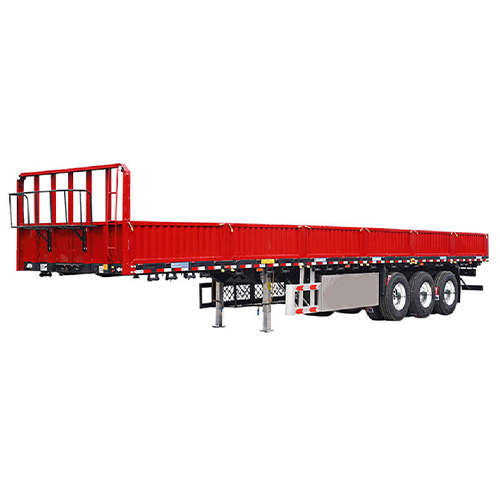
A side curtain semi trailer should be compared with side wall, fence, flatbed, and cargo box trailers before purchase. If cargo is rugged and weather is not a concern, an open-deck trailer may be simpler. If cargo is high-value and must be fully enclosed, a box trailer may be better. If cargo is irregular or crane-loaded, a flatbed remains easier.
Pre-Purchase Questions for Export Fleets
Before ordering, ask the supplier to review cargo dimensions, pallet weight, loading frequency, road condition, rainfall, temperature, and repair access. Also confirm spare curtain parts, hinges, buckles, and seals. A side curtain semi trailer used daily should be easy to maintain, not only attractive in a product photo.
Haiyu can help buyers compare trailer body types and recommend a side curtain semi trailer specification for regional distribution or export logistics. Visit the products page or send cargo and route details through Contact Us for a practical configuration discussion.
FAQ
What cargo is suitable for a side curtain semi trailer?
It is suitable for palletized and packaged cargo that needs weather protection and side loading access.
Is it better than a cargo box trailer?
It is better when side loading speed matters. A cargo box may be better when full enclosure and rear loading are preferred.
Can the curtain be customized?
Yes. Curtain material, locking hardware, body size, floor, and side post layout can be discussed according to cargo and route needs.
Does the curtain secure the cargo by itself?
No. Cargo still needs proper restraint. The curtain protects and encloses the load but should not replace correct cargo securement.
How can I request a specification from Haiyu?
Send cargo size, weight, loading method, route condition, and destination market. Haiyu can recommend a side curtain semi trailer configuration based on the actual job.