Introduction
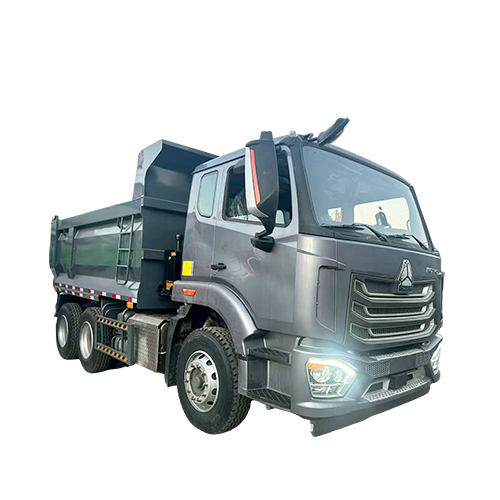
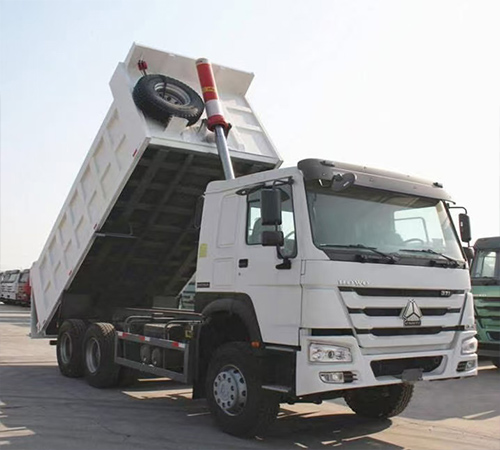
In construction, mining, and heavy material transport, efficiency and safety are crucial. A sand dump truck plays a vital role in transporting sand, gravel, and other loose materials over challenging terrain. Choosing the right sand dump truck ensures not only operational efficiency but also operator safety and compliance with industry standards.
This guide covers the top features to consider when selecting a sand dump truck, from engine performance and load capacity to cab comfort, safety features, and maintenance practices. It will help you make an informed decision for your fleet, whether you are purchasing, renting, or upgrading your trucks.
Engine Power and Performance
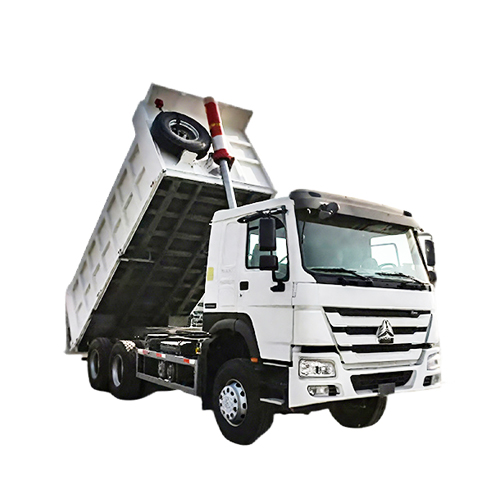
A sand dump truck’s engine is the heart of its performance. Understanding horsepower, torque, and fuel efficiency is critical when choosing the right vehicle. Heavy-duty engines allow trucks to handle challenging terrains and heavy payloads without sacrificing speed or reliability.
Considerations include:
- Engine type and power output suitable for your load requirements
- Torque for hauling sand over hills or uneven terrain
- Fuel efficiency to reduce operational costs on long-haul routes
- Reliability and durability of the engine under continuous heavy use
Selecting an engine that matches your operational requirements can significantly improve efficiency and reduce downtime.
Load Capacity and Dumping Mechanism
Load capacity determines how much sand your truck can carry safely. Overloading a dump truck can damage the chassis, suspension, and tires while creating safety hazards.
Key points to consider:
- Typical load capacity for sand dump trucks ranges from 10 to 30 tons, depending on model and configuration
- Types of hydraulic lifts, including telescopic and multi-stage systems, improve dumping efficiency
- Proper load distribution enhances stability and reduces wear on the suspension and tires
Sand Dump Truck Specifications Comparison
| Feature | Standard Model | Heavy-Duty Model | Off-Road Model |
|---|---|---|---|
| Load Capacity | 10–15 tons | 20–25 tons | 25–30 tons |
| Engine Power | 300–400 hp | 400–500 hp | 450–600 hp |
| Torque | 1,000–1,400 Nm | 1,500–2,000 Nm | 1,800–2,500 Nm |
| Suspension | Leaf Spring | Air + Leaf Combo | Heavy-Duty Air |
| Cab Type | Day Cab | Day/Sleeper Cab | Day/Sleeper Cab |
| Terrain Suitability | Paved roads | Mixed roads | Rough/off-road |
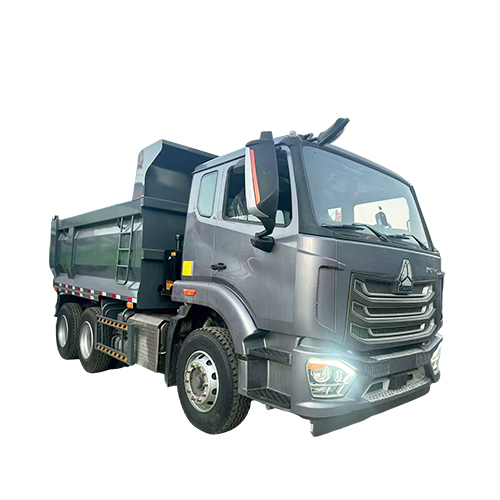
This table allows operators to quickly compare models and choose the truck that fits their sand hauling requirements.
Chassis and Suspension Systems
The chassis and suspension are critical for durability, stability, and performance in rugged environments.
- Heavy-duty chassis made of reinforced steel can withstand the stress of fully loaded sand dump trucks
- Suspension options, such as air suspension or leaf springs, improve ride comfort and stability on uneven terrain
- A strong chassis and suspension system minimize maintenance needs and extend the vehicle’s service life
Properly designed chassis and suspension ensure safe and efficient transportation, especially in construction and mining operations.
Safety Features
Safety should always be a priority when operating a sand dump truck. Modern trucks offer several features to protect both the operator and the cargo.
- Advanced braking systems, including ABS and EBS, provide reliable stopping power
- Stability control systems help prevent tipping or cargo shifting during transport
- Secure tie-downs, sideboards, and tarpaulin covers help prevent material spillage
- Operator safety features, such as backup cameras, alarms, and enhanced visibility, reduce the risk of accidents
By prioritizing safety features, you protect both your team and your investment.
Cab Design and Driver Comfort
Driver comfort impacts productivity and safety. Ergonomically designed cabs reduce fatigue and allow operators to focus on driving and load management.
- Day cab or sleeper cab options depending on haul distance
- Adjustable seats, air conditioning, and good visibility improve operational comfort
- Integrated technology, such as telematics and GPS, helps monitor truck performance and optimize routes
A well-designed cab ensures that your operators can work efficiently and safely during long shifts.
Tires and Traction Control
Sand dump trucks operate on uneven, loose, or off-road surfaces where traction is crucial.
- Selecting the right tires for heavy loads and sandy terrain improves stability
- Traction control systems prevent wheel spin and ensure safer acceleration
- Regular tire maintenance, including pressure checks and alignment, prolongs lifespan and prevents accidents
Proper tires and traction control enhance safety and reduce operational interruptions caused by equipment failure.
Maintenance and Durability
Routine maintenance is essential for ensuring that a sand dump truck remains reliable over its lifespan.
- Inspect brakes, suspension, and hydraulic systems regularly
- Replace worn-out components with certified manufacturer parts
- Monitor engine performance and fluid levels frequently
- Use telematics or sensor-based monitoring for predictive maintenance
A well-maintained truck can operate efficiently for many years, reducing downtime and operational costs.
Additional Features and Accessories
Customizable features can enhance the functionality and performance of sand dump trucks.
- Optional toolboxes, tarpaulin covers, and sideboards for secure and versatile cargo handling
- GPS tracking and fleet management systems for real-time monitoring
- Customization options for specific industries, such as reinforced beds for mining or adjustable side panels for construction
These features allow you to tailor the truck to your operational needs and improve overall efficiency.
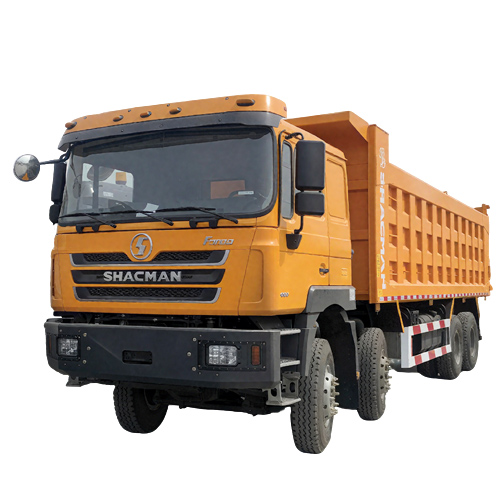
Choosing the Right Sand Dump Truck for Your Needs
When selecting a sand dump truck, consider:
- The type of terrain and haul distances
- Load size and frequency
- Safety and comfort features for operators
- Maintenance and service requirements
- Total operational efficiency and cost-effectiveness
A careful evaluation ensures that your truck will meet operational needs while providing long-term reliability and safety.
Conclusion
Selecting the right sand dump truck is a strategic decision that affects efficiency, safety, and operational cost. Key factors include engine performance, load capacity, chassis durability, safety features, driver comfort, tires, maintenance practices, and optional accessories. By carefully considering these features, you can maximize productivity, minimize downtime, and ensure safe transportation of sand and other loose materials.
FAQ
What is a sand dump truck used for?
It is used to safely transport sand, gravel, and other loose materials across various terrains.
How much sand can a sand dump truck carry?
Capacity varies by model, typically ranging from 10 to 30 tons per load.
How do I maintain a sand dump truck?
Regularly inspect brakes, suspension, hydraulic systems, and tires. Use certified parts for replacements and monitor engine performance.
What safety features should I look for?
ABS brakes, stability control, secure tie-downs, tarpaulin covers, and operator visibility aids are essential.
Can sand dump trucks be customized?
Yes, trucks can be fitted with optional accessories like toolboxes, sideboards, GPS systems, and reinforced beds, depending on industry needs.
Need Help Choosing the Right Sand Dump Truck?
Our experts can guide you in selecting a durable, efficient, and safe sand dump truck tailored to your operation.
Contact us today to optimize your fleet and improve sand transport efficiency!