Introduction
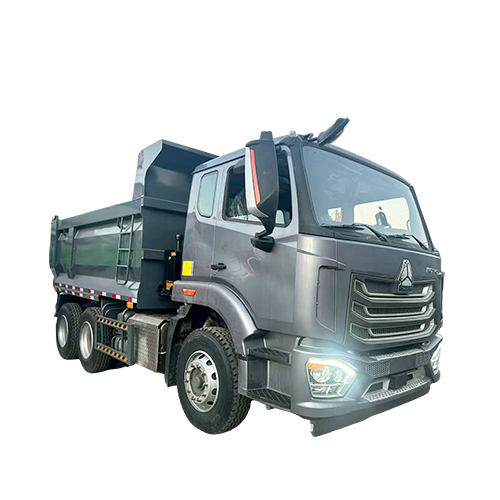
Tractor trucks, also known as prime movers, are the backbone of long-haul freight transport. These vehicles are designed to tow semi-trailers or other specialized trailers, handling heavy loads across highways and challenging terrains. Selecting the right tractor truck is critical for operational efficiency, safety, and long-term cost-effectiveness.
This article dives into tractor truck types, engine specifications, essential features, industry applications, and maintenance practices to help businesses optimize their hauling operations.

What Are Tractor Trucks?
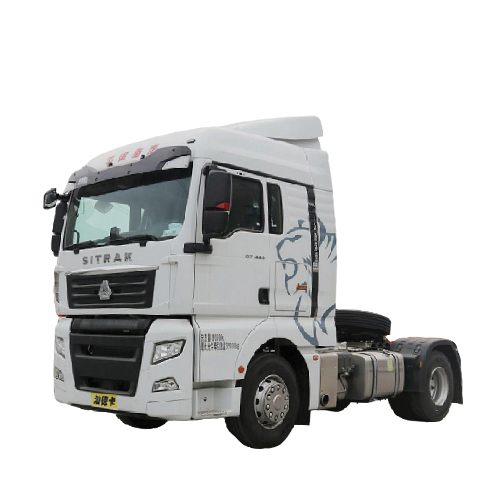
A tractor truck is a powerful truck equipped with a fifth-wheel coupling to attach semi-trailers. Unlike standard trucks, they are specifically built for towing heavy trailers, making them essential for logistics, construction, and specialized cargo transport.
Key benefits:
- Can haul significant loads over long distances.
- Flexible trailer compatibility for different cargo types.
- Enhanced safety features designed for towing stability.
- Durable engine and chassis for high-performance operation.
Types of Tractor Trucks
Day Cab Tractor
A compact tractor truck without a sleeper cabin, ideal for short hauls and regional delivery.
Sleeper Cab Tractor
Equipped with a cabin for drivers to rest during long-haul trips, suitable for intercity or interstate transport.
Heavy-Duty Tractor
Designed to tow oversized trailers or extremely heavy loads, often used in mining or construction projects.
6×4 Tractor
With three axles and six wheels, this configuration offers better traction and stability for heavy hauls.
8×4 Tractor
Extra axles provide additional support for ultra-heavy loads, increasing weight distribution and road safety.
Each type serves different operational needs depending on haul distance, load size, and terrain.
Choosing the Right Tractor Truck
When selecting a tractor truck, consider these critical factors:
- Engine Power and Torque: Must match the trailer load and terrain.
- Fuel Efficiency: Important for long-distance transport and reducing operational downtime.
- Cab Design: Choose between day cab or sleeper cab based on trip duration.
- Axle Configuration: Impacts traction, stability, and legal road compliance.
- Transmission Type: Automatic or manual, depending on driver preference and operational needs.
- Safety Features: Anti-lock brakes, stability control, lane assist, and collision warning systems.
Choosing the right tractor ensures your fleet operates efficiently and reliably.
Key Specifications Comparison
| Specification | Day Cab | Sleeper Cab | Heavy-Duty 6×4 | Heavy-Duty 8×4 |
|---|---|---|---|---|
| Engine Power | 300–450 hp | 350–500 hp | 400–600 hp | 450–650 hp |
| Torque | 1,000–1,600 Nm | 1,200–1,800 Nm | 1,500–2,200 Nm | 1,800–2,500 Nm |
| Fuel Tank | 300–500 L | 400–600 L | 500–800 L | 600–900 L |
| Axle Configuration | 4×2 | 4×2 / 6×2 | 6×4 | 8×4 |
| Cab Type | Day Cab | Sleeper | Day/Sleeper | Day/Sleeper |
Advantages of Tractor Trucks
- High Payload Capability: Designed for towing semi-trailers and heavy loads.
- Flexibility: Compatible with multiple trailer types.
- Durability: Built for long-term operation under heavy use.
- Safety: Equipped with advanced braking and stability systems.
- Comfort: Sleeper cabs and ergonomic designs improve driver well-being during long trips.
Industry Applications
- Freight & Logistics: Hauling containers, refrigerated trailers, and bulk goods.
- Construction: Transporting low-bed trailers with heavy machinery.
- Agriculture: Towing flatbed or bulk trailers for crops and equipment.
- Oil & Gas: Moving tankers with fuel or chemicals safely.
- Specialized Transport: Oversized or high-value cargo requiring custom trailers.
Maintenance Best Practices
- Regularly inspect brakes, suspension, and steering systems.
- Monitor engine and transmission fluids, replacing them per manufacturer’s recommendations.
- Check tires for wear, pressure, and alignment.
- Keep cab systems, lights, and electronics functioning optimally.
- Implement predictive maintenance using telematics or onboard sensors.
Proper maintenance improves safety, extends lifespan, and minimizes costly breakdowns.
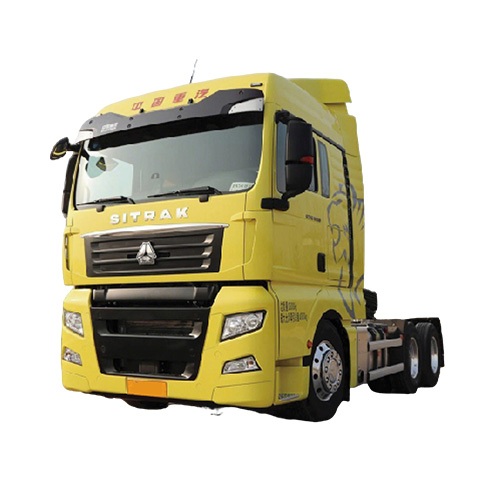
Tractor trucks are essential for modern freight and heavy transport operations. Choosing the right vehicle, coupled with proper maintenance, can maximize safety, efficiency, and long-term reliability. Whether for short hauls or cross-country transport, tractor trucks are the backbone of any fleet handling heavy-duty trailers.
FAQ
What is a tractor truck used for?
To tow semi-trailers or specialized trailers carrying heavy or oversized cargo.
Should I choose a day cab or sleeper cab?
Day cabs are ideal for short hauls, while sleeper cabs are better for long-distance transport.
How important is axle configuration?
Crucial for traction, stability, and compliance with road regulations when hauling heavy loads.
Can tractor trucks tow multiple trailers?
Yes, certain configurations allow tandem trailer operations, depending on local regulations.
How can I improve fuel efficiency?
Maintain proper tire pressure, optimize load, use efficient driving techniques, and perform regular engine checks.