Introduction
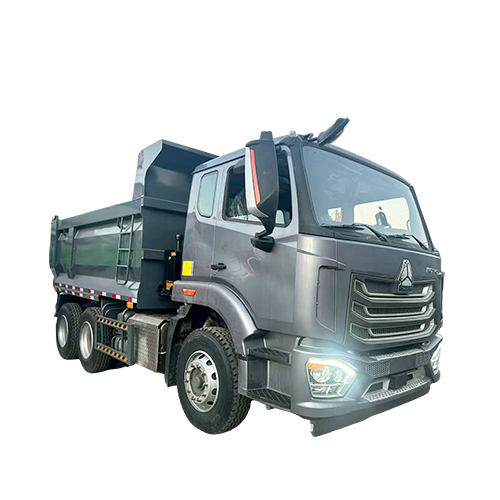
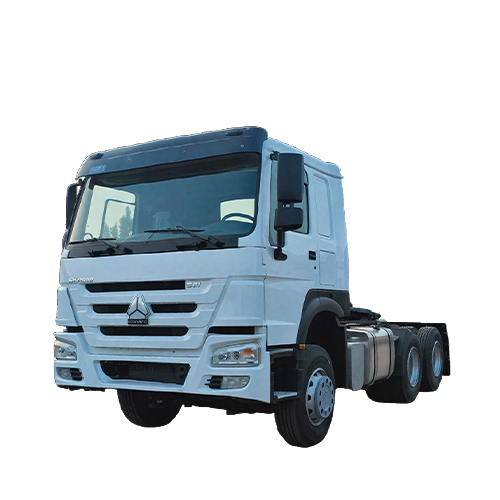
Tractor trucks, often called prime movers, are the backbone of logistics and industrial transport operations. Choosing the right tractor truck can have a significant impact on efficiency, fuel costs, maintenance, and overall productivity.
With numerous models and configurations available, understanding technical considerations and fleet management strategies is essential. This guide provides insights on selecting tractor trucks, optimizing fleet operations, and ensuring long-term reliability.
Understanding Tractor Truck Types
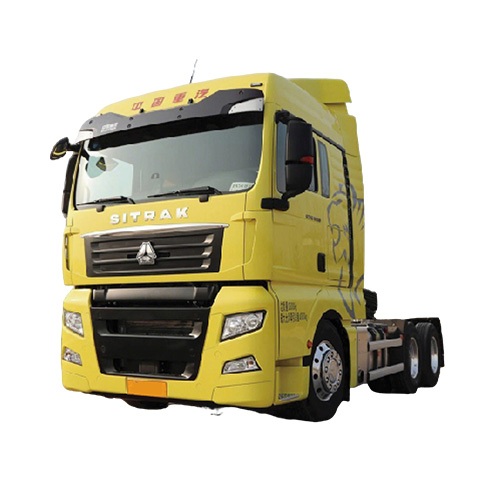
Tractor trucks vary depending on powertrain, axle configuration, and intended use. Common types include:
Standard Tractor Trucks – Used for general freight and semi-trailer hauling; ideal for long-haul operations.
Heavy-Duty Tractor Trucks – Equipped with powerful engines and reinforced chassis to handle oversized or high-weight cargo.
Day Cab Trucks – Typically used for short routes where no sleeper cabin is needed, reducing vehicle weight.
Sleeper Cab Trucks – Include living quarters for drivers on long-haul routes; enhance driver comfort and compliance with regulations.
Selecting the right type ensures your trucks meet operational demands, reduce downtime, and improve efficiency.
Key Technical Considerations
When evaluating tractor trucks, focus on these key aspects:
| Specification Category | Why It Matters | Tip |
|---|---|---|
| Engine Power & Torque | Determines ability to haul heavy loads efficiently | Match engine capacity with typical payloads |
| Fuel Efficiency | Impacts operational costs | Compare liters per 100km under load conditions |
| Axle Configuration | Affects stability and road compliance | Consider 4×2, 6×4, or 8×4 based on cargo and terrain |
| Transmission Type | Influences fuel efficiency and control | Automated vs manual depends on route complexity |
| Brake & Safety Systems | Ensures safety of driver and cargo | Include ABS, EBS, collision mitigation systems |
| Telematics Integration | Tracks fuel, location, and performance | Supports maintenance and route optimization |
| Cab Type & Ergonomics | Driver comfort affects productivity | Sleeper cabs for long hauls; ergonomic controls |
Evaluating these specifications ensures each tractor truck contributes to overall fleet efficiency and safety.
Fleet Management Strategies
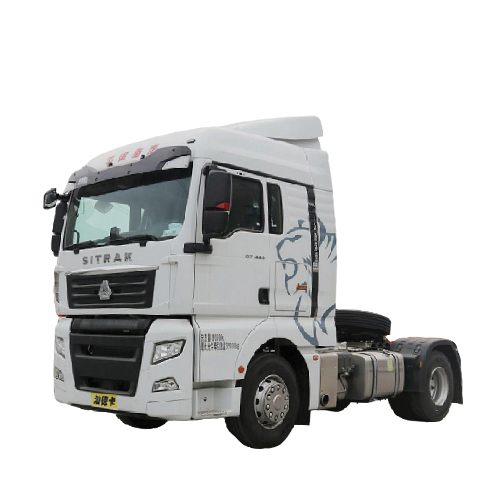
Effective fleet management involves more than selecting trucks. Key strategies include:
- Standardization – Using similar truck models simplifies maintenance and training.
- Preventive Maintenance – Regular inspections reduce downtime and costly repairs.
- Telematics Integration – GPS tracking and fuel monitoring enhance efficiency.
- Driver Training – Proper handling reduces wear, fuel consumption, and accidents.
- Load Optimization – Ensures trucks are not under- or overloaded, improving fuel efficiency and lifespan.
Implementing these strategies maximizes the return on investment for your tractor trucks.
Maintenance and Lifespan Considerations
Proper maintenance prolongs the life of tractor trucks:
- Regular engine and transmission checks
- Brake and suspension inspections
- Tire rotation and replacement
- Monitoring fluids and lubricants
- Using manufacturer-approved spare parts
With attentive maintenance, a tractor truck can operate reliably for 8–12 years, depending on load and terrain conditions.
Case Study: Improving Fleet Efficiency
A logistics company managing 50 trucks faced high fuel costs and frequent downtime due to mixed models and poor maintenance schedules. By standardizing on 6×4 heavy-duty tractor trucks with telematics integration, they achieved:
- 15% reduction in fuel consumption
- 20% lower maintenance costs
- Improved route planning and on-time deliveries
- Enhanced driver satisfaction and safety
This demonstrates that proper selection and management of tractor trucks significantly improve operational efficiency.

Emerging Trends in Tractor Truck Technology
Tractor trucks are evolving with innovations such as:
- Electric and Hybrid Powertrains – Reducing emissions and operating costs
- Advanced Telematics – Predictive maintenance, fuel optimization, and route tracking
- Driver Assistance Systems – Lane assist, collision warning, and semi-autonomous features
- Lightweight Materials – Improve fuel efficiency without compromising durability
- Sustainable Manufacturing – Compliance with stricter emission standards and greener operations
Staying updated on these trends helps fleets remain efficient and future-ready.
Conclusion
Selecting and managing tractor trucks is a strategic process. Considering technical specifications, cab type, engine capacity, and fleet management practices helps improve operations, reduce costs, and enhance safety. Partnering with a reliable manufacturer and leveraging modern telematics ensures your trucks remain efficient and adaptable.
FAQ
How do I choose the right tractor truck?
Assess your payload, route length, terrain, and driver needs to select the best truck.
Are sleeper cabs necessary for all routes?
No. They are essential for long-haul operations; day cab trucks are more efficient for short trips.
How important are telematics systems?
Critical. They improve fuel efficiency, maintenance scheduling, and route optimization.
What is a standard maintenance schedule?
Monthly inspections, quarterly maintenance, and annual major service are recommended.
How does standardizing truck models help?
It simplifies maintenance, reduces spare parts inventory, improves driver training, and enhances operational consistency.