

Introduction
When it comes to transporting heavy loads efficiently and safely, the vehicles you choose can make or break your business operations. From construction projects to mining operations and large-scale logistics, the right semi-trailer or special vehicle ensures your goods are delivered on time, equipment is maintained efficiently, and costs are optimized. For B2B buyers, understanding the nuances of different truck types, specifications, customization options, and manufacturers is crucial.
This comprehensive guide will walk you through everything you need to know about semi-trailers and special vehicles, including dump trucks, low-bed trailers, tractor trucks, and custom-built solutions. By the end of this article, you’ll have a practical roadmap for selecting the vehicles that best fit your business needs.
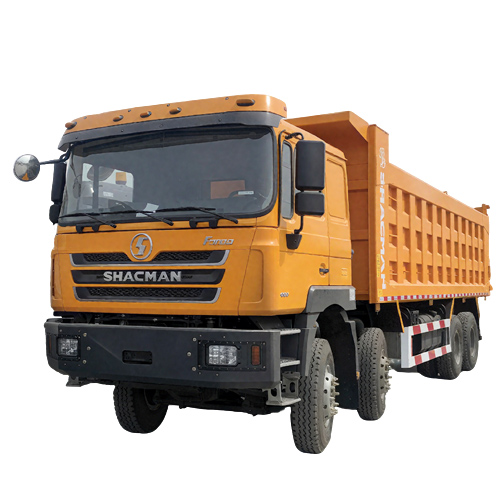
Overview of Vehicle Types
Choosing the right vehicle starts with understanding the main types used in industrial transport. Here’s a breakdown:
Dump Trucks are ideal for transporting loose materials like sand, gravel, or construction debris. Key considerations include payload capacity, tipping mechanism, chassis durability, and hydraulic system quality. Proper dump truck selection ensures fewer trips, higher fuel efficiency, and reduced wear and tear.
Semi-Trailers come in multiple configurations: flatbeds, low-bed trailers, box trailers, and container skeleton trailers. They are widely used for long-haul freight, oversized cargo, or specialized equipment transport. Selection should focus on load capacity, axle configuration, and compatibility with tractor trucks.
Tractor Trucks are the engines that pull semi-trailers. B2B buyers must consider powertrain, fuel efficiency, maintenance requirements, and telematics integration. Proper tractor truck selection ensures your fleet operates smoothly with minimal downtime.
Custom-Built Trucks provide exact specifications for unique operational requirements. This may include reinforced frames, specialized tankers, or heavy machinery transport configurations. Choosing the right manufacturer for customization is critical to ensure performance and compliance with local regulations.
Key Specifications to Consider
A vehicle is only as effective as its configuration. When evaluating semi-trailers and special vehicles, pay attention to these specifications:
| Specification Category | Why It Matters | Buyer Tip |
|---|---|---|
| Payload / Capacity | Determines how much material can be moved per trip | Match payload with typical and peak loads to avoid overuse or underutilization |
| Chassis & Suspension | Influences durability and ride stability | Heavy-duty axles and reinforced frames for rough terrain |
| Engine / Powertrain | Affects fuel efficiency, emissions, and reliability | Ensure engines meet local emission standards |
| Dump or Load Mechanism | Impacts unloading speed and safety | Select hydraulic systems that balance body volume and tipping angle |
| Telematics & Fleet Integration | Monitors utilization and maintenance | Choose systems compatible with your current fleet software |
| After-Sales & Spare Parts | Reduces downtime and long-term costs | Verify manufacturer’s global support network and spare part availability |
These specifications help optimize operational efficiency, reduce maintenance costs, and ensure fleet longevity.
Customization Options
Modern buyers demand vehicles tailored to their environment. Whether it’s mining, construction, or urban logistics, customization can significantly improve performance. Site conditions influence truck selection—rough terrain requires a high-ground-clearance vehicle, while city streets require a tight radius. Material type influences the choice of bed material, such as wear-resistant steel for rock or aluminum for lightweight debris. Regional emissions and safety regulations require specific compliance measures. Customization not only improves operational efficiency but also simplifies fleet management. Consistent interfaces, parts, and telematics across all vehicles reduce training costs and ensure smoother operations.
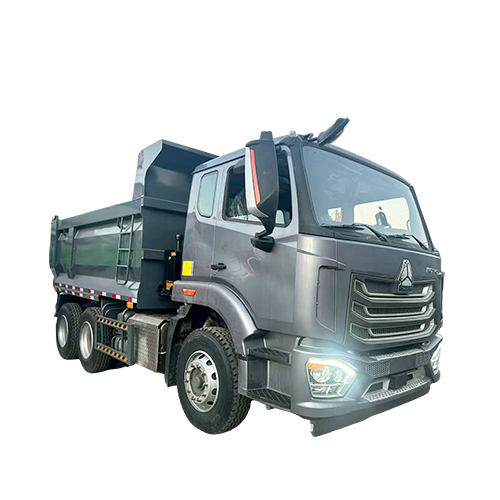
Manufacturer Selection
Selecting the right manufacturer is equally important. Evaluate based on production experience, quality certifications, R&D and customization capabilities, production capacity, after-sales support, customer references, total cost of ownership, and export compliance. A capable manufacturer acts as a strategic partner, guiding you through vehicle selection, customization, and fleet integration.
Emerging Trends
The transport vehicle industry is evolving rapidly. Key trends include electrification and hybrid powertrains for urban or closed-site operations, telematics and predictive maintenance to increase uptime, lightweight materials for better payload efficiency, semi-autonomous features to enhance safety, and sustainable manufacturing practices. Understanding these trends ensures your fleet remains competitive and future-proof.
Conclusion
Choosing the right semi-trailer or special vehicle requires a comprehensive approach. Partnering with a knowledgeable manufacturer ensures you make the best decisions for your business now and in the future.
FAQ
How do I choose the right payload capacity?
Consider your daily transport needs, peak loads, and terrain. Avoid under- or overloading to maintain efficiency.
How important is manufacturer support?
Critical. A reliable manufacturer ensures quick spare parts, maintenance guidance, and minimal downtime.
Are electric trucks suitable for industrial operations?
Yes, especially for urban or controlled environments, though diesel remains dominant for heavy loads.
What is the typical lifespan of a commercial truck?
With proper maintenance, 8–12 years is standard, depending on usage intensity.