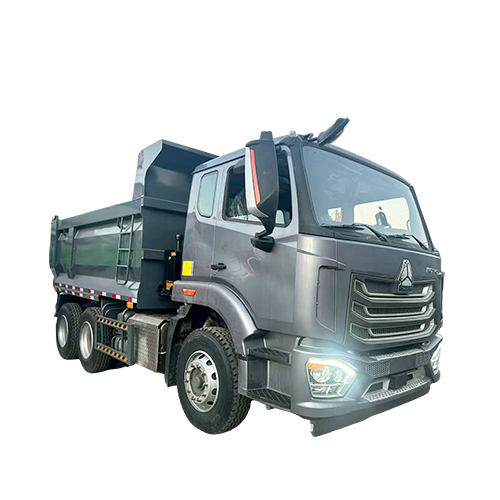
A truck mounted crane combines transport and lifting in one vehicle, making it useful for construction materials delivery, utility work, road maintenance, equipment installation, and remote jobsite service. Instead of sending a separate crane and cargo truck, a truck mounted crane can carry materials and unload them at the destination when the lifting task is within its rated capability.
Haiyu offers truck mounted crane configurations for buyers who need a custom-built truck matched to route, cargo, and lifting conditions. Selecting the right truck mounted crane requires more than looking at maximum tonnage. Buyers must consider working radius, chassis stability, boom type, hydraulic system, outriggers, and operator requirements.
Where a Mounted Crane Adds Value
A truck mounted crane is valuable when lifting tasks are frequent but not large enough to justify a dedicated mobile crane at every site. Common uses include lifting building materials, poles, small machinery, prefabricated parts, pipeline components, road barriers, and maintenance equipment. The vehicle can travel between sites and complete delivery plus unloading in one trip.
The best use case is repeatable work with predictable lifting needs. If loads are extremely heavy or require complex rigging, a specialized crane may be required. The truck mounted crane should be selected around the real lifting chart, not only the advertised maximum capacity.

Lifting Capacity and Working Radius
Crane capacity changes with working radius. A truck mounted crane may lift its highest rated load close to the vehicle but much less when the boom extends farther. Buyers should list typical load weight, lifting distance from the truck, height requirement, and ground condition. This prevents choosing a crane that looks strong on paper but cannot perform the daily task safely.
A practical specification should include load cases. For example, lifting steel bundles next to the truck is different from placing equipment over a fence or onto an elevated platform. The truck mounted crane must be evaluated through those real scenarios.
Chassis Selection and Stability
The chassis is part of the lifting system. Frame strength, axle capacity, wheelbase, suspension, and outrigger placement influence stability. A truck mounted crane mounted on an underspecified chassis can create safety and durability problems. Buyers should confirm that the chassis, cargo body, crane base, and outriggers are engineered as a complete unit.
If the vehicle also carries cargo, payload and lifting requirements must be balanced. A larger crane can reduce available cargo capacity or require a heavier chassis. Haiyu can discuss chassis choices across its truck product range to match the working condition.
Boom Type and Jobsite Access
Straight boom and folding boom designs serve different needs. A straight boom can be simple and suitable for many construction tasks. A folding boom may offer compact storage and flexible movement in limited spaces. The best truck mounted crane choice depends on cargo body length, lifting height, side reach, and how crowded the jobsite usually is.
Buyers should also consider road access and parking space. Urban utility work may need compact dimensions and quick setup. Rural construction support may prioritize reach and durability.
Hydraulic System and Controls
The hydraulic system affects lifting smoothness, reliability, and maintenance. Pump capacity, valve quality, hose routing, oil cooling, and control layout should be reviewed. Operators need controls that are predictable and visible from a safe working position. A truck mounted crane used daily should also have accessible service points.
For general crane safety concepts, OSHA’s cranes and derricks resources are useful references. Local regulations, operator qualifications, and the manufacturer’s instructions should always guide actual truck mounted crane operation.
Specification Table for Buyers
| Selection Area | What to Provide | Why It Matters |
|---|---|---|
| Load case | Weight, radius, height | Confirms usable lifting capacity |
| Chassis | Axle load, wheelbase, frame | Supports stability and service life |
| Boom type | Straight or folding | Matches site access and reach needs |
| Outriggers | Span and ground support | Improves lifting stability |
| Cargo body | Length and payload | Balances transport and lifting tasks |
Safety, Training, and Inspection
A truck mounted crane must be operated within its rated chart. Operators should understand load weight, radius, ground support, outrigger setup, wind, overhead hazards, and communication with ground staff. Inspection should cover hooks, pins, hoses, boom sections, outriggers, controls, and warning devices.
Buyers should plan training and maintenance before delivery. A well-specified truck mounted crane still needs disciplined operation to protect people, cargo, and the vehicle.
How to Discuss Custom Requirements
Before requesting a quotation, prepare the heaviest load, farthest lifting radius, required height, cargo body length, road condition, and worksite photos if available. Also mention whether the truck will travel long highway distances or mainly work near a project site.
Haiyu can help buyers review truck mounted crane configurations for construction, utility, and materials handling work. Send your lifting cases through Contact Us to discuss a practical custom-built truck solution.
FAQ
What is a truck mounted crane used for?
It is used for transporting and lifting materials, equipment, and components at construction, utility, maintenance, and industrial sites.
Does maximum crane capacity tell the full story?
No. Capacity changes with working radius and boom position, so buyers should review real lifting cases.
Can the truck still carry cargo?
Yes, but cargo payload depends on chassis selection, crane size, body design, and legal weight limits.
What safety items should be checked?
Check outriggers, hooks, hydraulic hoses, boom sections, controls, load chart, ground support, and operator training.
Can Haiyu customize a mounted crane truck?
Yes. Haiyu can discuss crane capacity, chassis, cargo body, outriggers, and other truck mounted crane details for your jobsite needs.