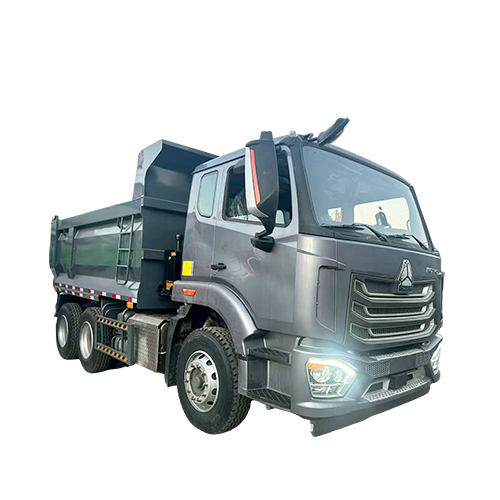
A U-shaped dump bed is a practical body design for heavy-duty dump trucks that carry sand, gravel, aggregate, soil, and similar construction materials. Compared with some square-body designs, a U-shaped dump bed can support smoother material flow and reduce material sticking in corners. For contractors and fleet buyers, body shape affects unloading speed, cleaning time, structural stress, and long-term operating cost.
Haiyu offers dump truck products such as the HOWO 6×4 dump truck with U-shaped dump bed for construction and hauling work. This article focuses on the dump body itself rather than repeating general dump truck selection advice, helping buyers decide when a U-shaped dump bed is the right match.
Why Dump Body Shape Matters
Dump body shape determines how material rests in the body and how it moves during tipping. A U-shaped dump bed has curved lower sides that reduce sharp internal corners. This can help loose materials move toward the rear more smoothly and reduce residue after unloading.
A U-shaped dump bed is not automatically better for every cargo. Large rocks, demolition debris, or special abrasive materials may need different liner choices or body reinforcement. Buyers should connect body shape with cargo type, loading equipment, and route condition.
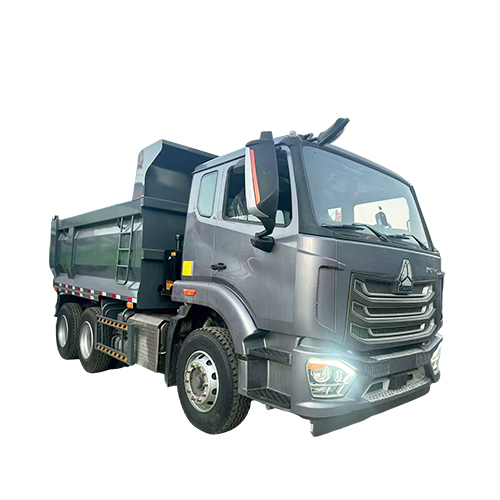
Material Flow and Clean Discharge
Clean discharge is one reason buyers consider a U-shaped dump bed. When material sticks in corners, the driver may need extra shaking, manual cleaning, or repeated tipping. That wastes time and can increase stress on the hydraulic system and body structure. A smoother bed profile can support faster unloading for many granular materials.
For aggregate and road construction materials, the U-shaped dump bed can be especially useful when consistent unloading speed matters. Buyers moving wet clay or sticky materials should still discuss liner and body surface options with the manufacturer.
Structural Strength and Wear Areas
A dump body works under impact, vibration, and abrasive wear. The U-shaped dump bed should be reviewed for floor thickness, side wall structure, rear door design, welding quality, and reinforcement near hinge points. Loading by excavator or wheel loader can create repeated impact that must be considered during specification.
Steel selection and body design should match the material being hauled. A U-shaped dump bed used for light sand work may not need the same reinforcement as one used in quarry supply. Overbuilding adds weight; underbuilding shortens service life.
Hydraulic Lifting Compatibility
The body and hydraulic lifting system must be matched. Cylinder capacity, mounting position, lifting angle, subframe strength, and body weight all influence tipping performance. A U-shaped dump bed that is too heavy or poorly balanced can reduce lifting efficiency and increase wear.
Buyers should ask how the manufacturer matches the hydraulic system to the dump body and payload. General hydraulic safety concepts from OSHA hydraulic system resources can also remind fleet teams why inspection and correct operation are important.
Payload, Center of Gravity, and Stability
A U-shaped dump bed must fit the chassis payload rating and axle distribution. Body weight, cargo density, and load position all affect stability. The buyer should not ask for maximum body volume without confirming the legal and mechanical payload limits of the truck.
For heavy-duty work, the chassis, tires, suspension, brakes, hydraulic system, and dump body should be specified together. A practical body design supports productivity while keeping the truck within safe operating limits.
Comparison Table for Dump Body Buyers
| Body Factor | U-Shaped Dump Bed Benefit | Buyer Check |
|---|---|---|
| Internal shape | Reduces sharp material-holding corners | Match with cargo flow characteristics |
| Floor and sides | Can support smoother discharge | Confirm steel thickness and wear protection |
| Hydraulic match | Works with correct lifting angle | Check cylinder and subframe design |
| Rear door | Affects unloading control | Review hinge, lock, and sealing design |
| Body weight | Influences payload efficiency | Balance strength with tare weight |
Maintenance Points for Long Service Life
Maintenance should focus on body floor wear, weld inspection, hinge points, rear door locks, hydraulic cylinder mounts, subframe bolts, and paint damage. A U-shaped dump bed can still suffer wear if abrasive materials are hauled daily without inspection.
Drivers should avoid improper loading, uneven piles, and tipping on unstable ground. Correct operation protects the U-shaped dump bed, chassis, and hydraulic system.
How to Match Body Design to the Job
Before ordering, provide cargo type, density, loader type, route condition, unloading site, and target payload. The manufacturer can then recommend body dimensions, steel thickness, hydraulic system, rear door design, and chassis match.
Haiyu can help buyers compare dump truck body options and related heavy-duty trucks. Review the dump truck product range or send your hauling requirements through Contact Us to discuss a U-shaped dump bed configuration.
FAQ
What is a U-shaped dump bed?
It is a dump body with a curved lower profile designed to support smoother material flow and reduce material buildup in corners.
What materials are suitable?
It is commonly suitable for sand, gravel, aggregate, soil, and many loose construction materials.
Does it increase payload?
Not by itself. Payload depends on chassis rating, body weight, axle limits, and local regulations.
Is it good for quarry work?
It can be, but quarry work may require stronger steel, reinforcement, and wear protection based on material abrasiveness.
Can Haiyu recommend a dump body specification?
Yes. Haiyu can review cargo, road condition, and payload needs to recommend a U-shaped dump bed and chassis combination.