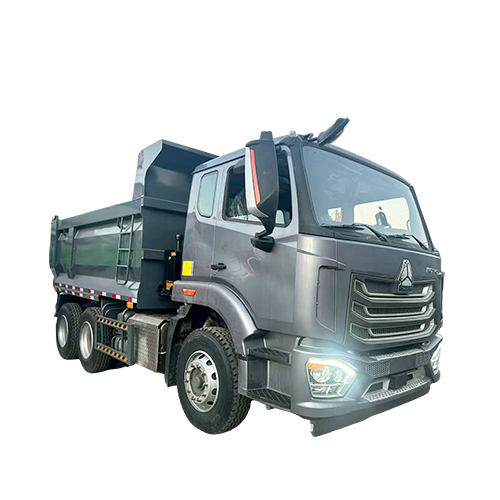
A flatbed semi trailer is one of the most practical choices for contractors, logistics fleets, machinery dealers, and project cargo operators that need open-deck flexibility. Unlike enclosed vans or box trailers, it can carry steel, precast materials, containers, timber, construction machinery, and irregular cargo that must be loaded from the side, rear, or overhead by crane. For B2B buyers, the goal is not simply to find a trailer that looks strong. The real task is matching the deck, frame, axle layout, and cargo securing points to the work the fleet performs every day.
At Haiyu, buyers often ask whether a standard flatbed semi trailer, a side wall model, or a low bed model is better for export projects. The answer depends on cargo shape, road condition, loading method, and legal weight limits in the destination market. This flatbed semi trailer guide explains the selection process in practical terms so procurement teams can prepare a clearer specification before contacting a manufacturer.
Why Buyers Compare Flatbed Trailer Specifications Carefully
A flatbed semi trailer may look simple, but small specification differences can change operating efficiency. Deck height affects loading access. Main beam design affects long-term fatigue resistance. Suspension selection influences tire wear and cargo stability. If the flatbed semi trailer will run on rough jobsite roads, a buyer may need a stronger frame and suspension than a fleet that mainly travels paved highways.
The best procurement approach starts with the transport task rather than the product name. Buyers should define the average cargo weight, maximum cargo length, loading equipment, route surface, climate, and border requirements. This prevents under-specification, which can shorten flatbed semi trailer service life, and over-specification, which can add unnecessary tare weight.
Cargo Types That Fit This Trailer Format
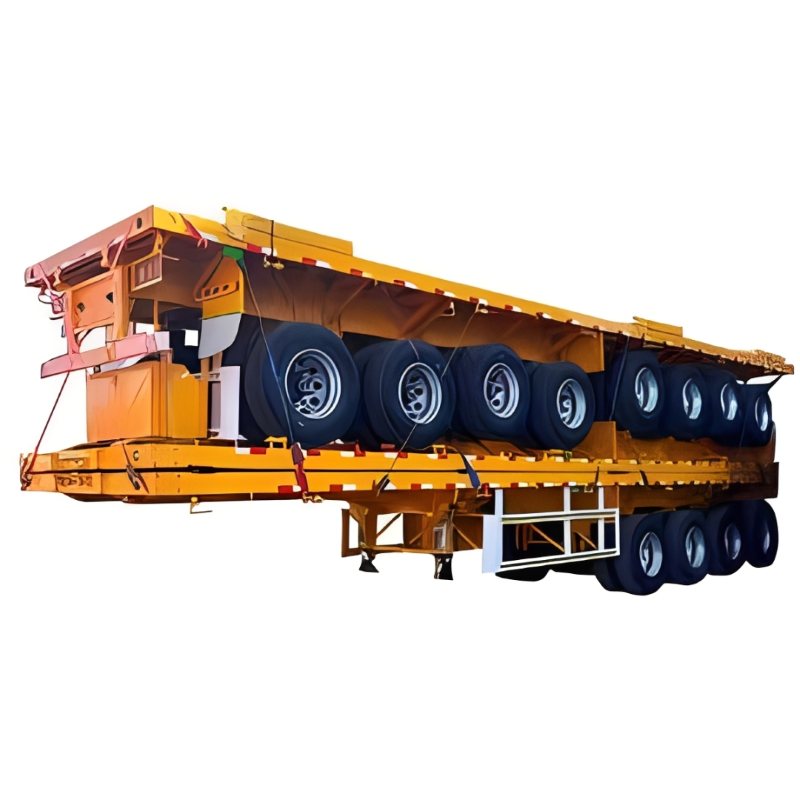
A flatbed semi trailer is especially useful when cargo does not need weather protection or when loading speed is more important than enclosure. Common applications include steel coils with proper cradles, pipes, steel plates, packaged building materials, machinery parts, containers, agricultural equipment, and project materials. The open deck gives operators more freedom to position cargo and use forklifts or cranes.
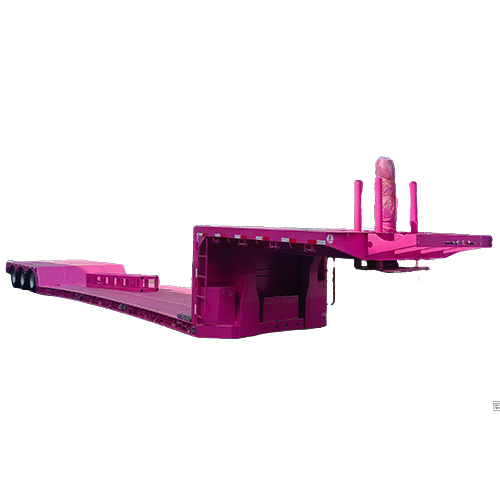
However, not every open cargo job is a perfect flatbed semi trailer fit. Very tall equipment may require a low flatbed semi-trailer to reduce transport height. Loose bulk cargo may be better handled by a side wall or fence trailer. If the cargo needs side protection from weather or theft, a side curtain trailer may be more suitable.
Key Specifications to Review Before Ordering
Before ordering a flatbed semi trailer, procurement teams should review the design with the same discipline they apply to prime movers and heavy equipment. Rated payload is only one part of the flatbed semi trailer decision. Buyers should also confirm platform length, width, deck thickness, kingpin size, axle brand, tire specification, suspension type, braking system, landing gear, toolboxes, twist locks, and tie-down points.
| Specification Area | Why It Matters | Buyer Checkpoint |
|---|---|---|
| Main beam and crossmember design | Controls bending resistance and fatigue life | Ask for material grade, beam height, and reinforcement details |
| Deck surface | Affects loading friction and wear resistance | Confirm steel plate thickness and anti-slip treatment |
| Axle and suspension | Impacts load distribution and maintenance | Match axle count to payload and local road rules |
| Twist locks and lashing points | Support container and project cargo work | Specify quantity, position, and rated strength |
| Brake and lighting systems | Influence safety and compliance | Check compatibility with destination market requirements |
Deck Structure and Steel Quality Matter
For heavy cargo, the deck is not just a platform. It is part of the load-bearing structure. A well-designed flatbed semi trailer uses a main beam and crossmember layout that spreads stress across the frame. Buyers should be careful with any flatbed semi trailer that advertises high payload without explaining beam structure, welding quality, or reinforcement around high-stress areas.
Steel quality also affects long-term value. High-strength steel can reduce unnecessary weight while preserving structural integrity, but it must be used correctly. The welding process, surface treatment, and paint system should match the operating environment. For coastal markets, humid regions, or mining supply routes, corrosion protection deserves special attention.
Axles, Suspension, and Landing Gear Choices
A flatbed semi trailer can be configured with different axle numbers depending on payload and regulations. Three-axle layouts are common for many international transport tasks, while heavy project cargo may require more specialized flatbed semi trailer configurations. Mechanical suspension is simple and durable for demanding routes, while air suspension can improve cargo protection and ride quality when the route and budget justify it.
Landing gear should also match operating practice. Fleets that frequently detach loaded trailers need dependable landing gear with enough static capacity. Buyers should confirm that spare parts for axles, suspension, tires, brakes, and landing gear are available in their region or through the supplier.
Cargo Securement and Compliance Planning
Open-deck transport depends heavily on cargo securement. The U.S. Federal Motor Carrier Safety Administration publishes cargo securement rules that are useful references even for buyers outside the United States because they explain the logic of preventing cargo from shifting or falling during transport. Local rules may differ, but the principle is the same: the flatbed semi trailer must provide enough properly placed anchor points for the cargo being moved.
When specifying a flatbed semi trailer, buyers should describe common cargo shapes and loading patterns. A manufacturer can then help position rope hooks, lashing rings, container locks, side posts, or removable stakes on the flatbed semi trailer. Planning this early is better than adding improvised attachment points later.
How to Compare Trailer Types for Your Route
A flatbed semi trailer is often compared with side wall, fence, low bed, and cargo box trailers. The right comparison should include cargo protection, loading method, legal height, unloading speed, tare weight, and route condition. A construction materials distributor may value loading speed and simple maintenance. A machinery importer may need lower deck height and stronger concentrated load support.
| Trailer Type | Best Fit | Main Limitation |
|---|---|---|
| Flatbed semi trailer | Steel, containers, palletized goods, project cargo | Cargo is exposed unless covered |
| Side wall semi trailer | Bulkier cargo needing side restraint | Less flexible for side loading than a flat deck |
| Low bed semi trailer | Excavators, bulldozers, tall machinery | Higher purchase complexity and route planning needs |
| Cargo box semi trailer | Goods needing enclosure and protection | Less suitable for crane loading or oversize items |
Questions to Ask a Manufacturer Before Purchase
Before confirming a purchase, ask the manufacturer how the design changes for your payload, road condition, and destination regulations. Request details on axle configuration, braking system, steel grade, painting process, spare parts support, and documentation. If the trailer will carry containers, confirm twist lock layout. If it will carry machinery, confirm whether the deck and ramps can handle concentrated loads.
Haiyu supplies semi-trailers for construction, logistics, and project cargo applications. You can compare the full product range or contact the team through the contact page with your cargo dimensions, route conditions, and target payload. A clear specification helps the engineering team recommend a flatbed semi trailer configuration that fits the actual job instead of a generic catalog model.
FAQ
What is the main advantage of a flatbed semi trailer?
The main advantage is loading flexibility. Cargo can be loaded by forklift, crane, or side access, making it useful for construction materials, steel, containers, and equipment parts.
Can a flatbed semi trailer carry containers?
Yes, if it is specified with suitable twist locks and deck layout. Buyers should confirm container sizes and route requirements before ordering.
Is a flatbed semi trailer suitable for mining roads?
It can be used on difficult roads when configured with a stronger frame, suitable suspension, and tires. The route condition should be shared with the manufacturer during specification.
How should buyers choose axle configuration?
Axle configuration depends on payload, legal limits, road conditions, and cargo distribution. A supplier should review these factors before recommending a layout.
Does Haiyu provide customized semi-trailer configurations?
Yes. Haiyu can discuss customized configurations for semi-trailers based on load requirements, operating conditions, and destination market needs. Send your working conditions and cargo details to request a practical recommendation.